

Introduction: Bird Photography in Bhutan
Bhutan is more than a travel spot; it is a perfect, unspoiled place for serious wildlife photography. As a professional, I love the beautiful light and the strong conservation ethics here. If you want the best Bird Photography in Bhutan, you will find an unmatched, ethical place to shoot with perfect, natural backgrounds.
This guide is your easy plan for success. I share the best tips, gear choices, where to go, and ethical rules you need to take great Himalayan bird photos.
Part I: Why Bhutan is the Best Place to Photograph Birds
The Big Advantages for Taking Bird Photos
Bhutan is a world-class spot for nature photographers:
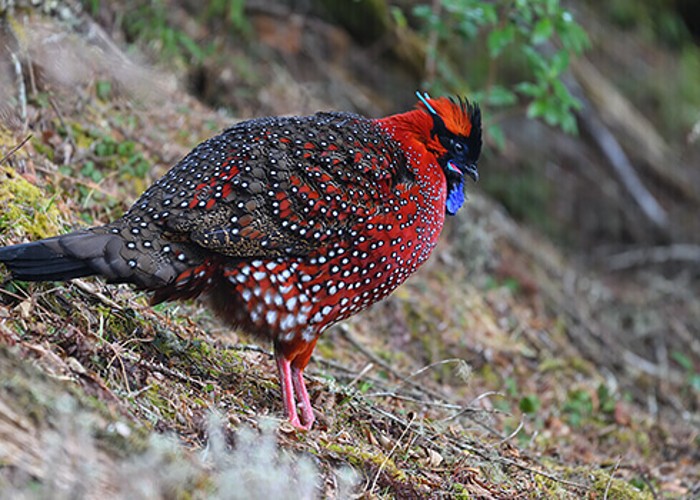
- Biodiversity Hotspot: Bhutan has over 700 bird species, from tropical types to rare mountain birds like the Himalayan Monal. This means you can find many kinds of subjects for close-up shots or wide landscape pictures.
- Pristine Habitats Mean Clean Photos: Strict conservation keeps most forests untouched. This is key for photographers. It means you are more likely to find subjects with clean, natural backgrounds, which makes for professional-looking photos.
- Cultural Calm for Better Shots: The deep Buddhist respect for life creates a quiet, peaceful environment. This calm is vital for patient observation, giving you the time needed to capture action shots and intimate bird behaviors.
Part II: Photo Planning & The Bhutan Calendar
Optimizing Your Shooting Time for the Best Light
Choosing the right season is important. It affects light quality, bird colors, and where you can go for Bird Photography in Bhutan.
| Season | Focus & Target Birds | Light & Technical Tips |
| Spring (Peak Color) | Best color and activity. High-mountain birds like the Blood Pheasant. | Bright blooms make great natural frames. Perfect for capturing fast action. |
| Monsoon | Focus on lush detail and soft light after rain. Forest birds. | Soft, cinematic light is good for low-ISO shots. Mandatory: bring rain gear for your camera. |
| Autumn (Clear Skies) | Focus on Flight Shots. Birds moving over high passes (raptors). | Clear, crisp air is excellent for sharp, wide-view photos of birds in their habitat. |
| Winter | Focus on Low-Angle Photos. River birds (Ibisbill, Wallcreeper) and Black-necked Cranes. | Low sun angle is great for simple photos and dramatic silhouettes at sunrise/sunset. |
Part III: Gear and Advanced Field Techniques
This section covers the specific needs for successful Bhutan bird photography.
🎒 Essential Gear for the High-Altitude Photographer
- Camera Bodies: Use a fast, weather-sealed camera. It needs high frame rates and a deep buffer to get sharp photos in changing mountain light.
- Lenses: A fast prime lens (400–600mm) is best for close-ups and detail. A 100–400mm zoom works well for groups and habitat shots.
- Supports: A carbon tripod with a gimbal head is a must for smooth, sharp telephoto shots. Use a beanbag for shooting from your vehicle.
- Power & Protection: Bring extra batteries (cold drains them fast) and moisture control (silica gel, dry bags) to protect your gear.
🎯 Advanced Techniques for High-Impact Photography
- Mastering Forest Focus: Use back-button focus and expanded AF points. Shoot in short bursts to reduce blur in dim light.
- Light Control (Exposure): Always focus your metering on bright spots (like white feathers) to prevent losing detail. This keeps your textures clean.
- The Mobile Hide: Your vehicle is often the best hide. Shooting from the window causes less disturbance, leading to closer, more natural photos.
- Weather Windows: After it rains, birds become very active. Use this time to capture clean, high-detail portraits with wet, fresh foliage.
Part IV: Composition, Logistics, and Ethics
Composing Your Photos for Story
- Establish the Scene: Use wide shots with prayer flags or mist to show where the bird lives.
- Intimate Portraits: Zoom in on behavior and detail. Make sure the bird’s eye is bright and sharp.
Ethical Fieldcraft: Responsible Bird Photography
Your photos gain value when you follow Ethical Wildlife Photography rules.
- Bird Welfare First: Never use food, scare the bird, or play calls too much. If the bird acts stressed, stop shooting and move away immediately.
- Protect Nests: Never photograph near nests unless allowed and watched by a guide.
Essential Logistics for the Photo Traveler
- Guides Are Mandatory: You cannot travel alone. Hire a licensed Bhutanese tour operator who knows the best places for photography.
- Stay Longer: Because the roads are slow, plan for longer stays in fewer places. This gives you more time in the best morning and evening light.
Final Thoughts: Bird Photography in Bhutan
Bird Photography in Bhutan is an amazing experience. It asks for skill and patience. When you slow down and respect the forest, you get technically perfect photos that capture the unforgettable magic of this remote Himalayan kingdom.