
Planning your journey through this complete Thrumshingla National Park Birding & Wildlife Guide opens the door to one of the most biologically rich mountain reserves in the eastern Himalayas. Officially known today as Phrumsengla National Park, this sprawling sanctuary covers more than nine hundred square kilometers across the central Bhutanese districts of Bumthang, Lhuentse, Mongar, and Zhemgang. Because the park rises dramatically from warm subtropical valleys at roughly seven hundred meters up to windswept alpine ridges exceeding four thousand five hundred meters, a single overland drive here crosses six distinct ecological zones. Travelers exploring with Langur Eco Travels get direct access to old-growth fir forests, mossy broadleaf woodlands, and quiet mountain passes where globally threatened pheasants, red pandas, and high-altitude mammals thrive away from mass tourism.
Bhutan Best Inbound Tour+ 1
For anyone hoping to observe the rarest birds of Bhutan, Thrumshingla stands out as a premier destination because the Lateral Road cuts right through the heart of the reserve. Instead of exhausting multi-week expeditions just to reach high elevations, birdwatchers and wildlife photographers can step out of their vehicles along quiet stretches of the Ura to Mongar highway and immediately hear laughingthrushes, parrotbills, and trogons calling from the bamboo understory. Understanding how altitude shapes bird distribution, which trail sectors hold the highest species density, and what seasons offer clear mountain views will help you make the most of every morning in this extraordinary Himalayan sanctuary.
Bhutan Best Inbound Tour
Ecological Diversity and Landscape of Thrumshingla National Park
Established in 1998, Thrumshingla National Park protects some of the finest remaining stands of undisturbed cool temperate broadleaf and ancient silver fir forest anywhere in Asia. Local communities call the high mountain pass Phrumsengla, which translates to the pass of white cheese, referring to the way fresh snow blankets the fir branches and jagged peaks during winter and early spring. Because the mountain soils inside the reserve are steep and fragile, commercial logging has never taken place here, leaving towering hemlocks, oaks, magnolias, and rhododendrons completely intact.
Wikipedia
Six Distinct Elevation Zones Inside the Reserve
What makes this park truly remarkable for naturalists is the rapid vertical shift in habitat over a relatively short driving distance. Starting from the deep river gorges near Yongkola and Lingmethang and climbing steadily toward the Thrumshing La Pass at three thousand seven hundred fifty meters, you pass through a living textbook of Himalayan botany.
Bhutan Best Inbound Tour
- Subtropical Forest Zone: Found along the lowest southern fringes between seven hundred and one thousand meters, characterized by warm temperatures, dense bamboo thickets, wild banana plants, and towering fig trees.
- Warm Temperate Broadleaf Forest: Stretching from one thousand to two thousand meters, this moist, lush belt features evergreen oaks, chestnuts, laurels, and thick epiphytic mosses draped across every branch. Bhutan Best Inbound Tour
- Cool Temperate Broadleaf Forest: Located between two thousand and two thousand nine hundred meters, dominated by giant maples, birch trees, ring-cupped oaks, and dense dwarf bamboo undergrowth that shelters secretive ground birds.
- Temperate Coniferous Forest: Spanning roughly two thousand one hundred to three thousand meters, where stately Himalayan hemlock, blue pine, and spruce create shaded cathedral-like woodlands. Bhutan Best Inbound Tour
- Subalpine Conifer and Rhododendron Zone: Rising from two thousand six hundred to four thousand two hundred meters, filled with gnarled East Himalayan firs and nearly half of all rhododendron species native to Bhutan. Bhutan Best Inbound Tour
- Alpine Meadows and Scree Slopes: Reaching above four thousand meters, where hardy shrubs, wild primulas, and medicinal herbs survive beneath dramatic views of Gangkhar Puensum, the highest unclimbed mountain in the world. Bhutan Best Inbound Tour
Why the Lateral Road Makes Wildlife Viewing Accessible
Unlike many Himalayan national parks where rugged terrain limits visitors to grueling uphill climbs, the east-west Lateral Road runs straight through Thrumshingla from Ura Valley in Bumthang down to Lingmethang in Mongar. Traffic along this mountain highway remains light, especially in the early morning hours. Wildlife guides use wide road bends, old forest tracks, and quiet pull-outs as mobile observation decks, allowing travelers of all fitness levels to scan mixed-species feeding flocks at eye level right in the tree canopy.
Bhutan Best Inbound Tour
Signature Birds of Thrumshingla National Park
More than three hundred sixty bird species have been documented within the boundaries of Thrumshingla National Park, including several globally threatened and range-restricted eastern Himalayan specialties. Birding here is famous for huge mixed feeding flocks that move rapidly through the forest, often containing fifteen or twenty different species foraging together.
High-Altitude Pheasants and Galliformes
Thrumshingla is widely regarded as one of the best places in the Himalayas to see colorful mountain pheasants in their natural forest habitat. Dawn drives and quiet walks along mossy road edges regularly produce unforgettable encounters with these prized gamebirds.
- Satyr Tragopan: Often called the crimson horned pheasant, this spectacular bird inhabits dense bamboo and rhododendron undergrowth between two thousand four hundred and three thousand four hundred meters. During spring mornings, males emerge onto open forest tracks to display their brilliant red plumage dotted with white spots and vibrant blue facial skin.
- Himalayan Monal: Frequently seen grazing on open grassy slopes near Thrumshing La Pass, the male monal gleams in metallic shades of copper, turquoise, purple, and emerald green.
- Blood Pheasant: Traveling in noisy family coveys through subalpine fir and juniper forests above three thousand two hundred meters, Blood Pheasants show striking apple-green feathers streaked with crimson.
- Chestnut-breasted Partridge: A secretive resident of damp warm broadleaf forests around Yongkola, best located by listening for its distinctive double-note whistle at first light.
Rare Canopy and Understory Specialties
Beyond pheasants, the middle and lower elevations of the park harbor an extraordinary variety of woodland birds that draw ornithologists from around the globe.
- Ward’s Trogon: This stunning, elusive forest jewel favors mature cool broadleaf trees draped in moss and vines. Males sport deep maroon plumage with bright pink underparts and a long graduated tail, sitting motionless for long stretches before sallying out to catch insects.
- Rufous-necked Hornbill: In the warmer lower forests near Lingmethang and Yongkola, the loud wingbeats and resonant barking calls of this vulnerable hornbill echo across steep river valleys.
- Beautiful Nuthatch: One of the most sought-after birds in Asia, this striking blue, black, and chestnut nuthatch creeps along thick moss-covered branches in mixed flocks between one thousand eight hundred and two thousand four hundred meters.
- Rufous-throated Wren-Babbler: A tiny, mouse-like skulker that stays hidden inside tangled ferns and mossy boulders along damp forest gullies, rewarding patient watchers who wait quietly near forest streams.
Parrotbills, Laughingthrushes, and Fulvettas
The dense bamboo stands bordering the highway shelter an impressive diversity of babblers and parrotbills. Birders scanning the bamboo thickets can spot Great Parrotbill, Brown Parrotbill, Fulvous Parrotbill, and Black-throated Parrotbill working methodically through hollow stems in search of grubs. Alongside them move noisy groups of Spotted Laughingthrush, Black-faced Laughingthrush, Coral-billed Scimitar Babbler, and Golden-breasted Fulvetta.
Mammals and Rare Wildlife Inside the Park
While birds draw international fame to Thrumshingla, the park also protects sixty-nine species of mammals, many of which move freely across its undisturbed elevation gradients and biological corridors.
The Elusive Red Panda
Thrumshingla National Park is one of the strongest refuges in Bhutan for the endangered Red Panda. Preferring cool temperate broadleaf and fir forests with thick ringal bamboo undergrowth between two thousand four hundred and three thousand six hundred meters, Red Pandas spend much of their day resting high in mossy hemlock or maple trees. Spotting one curled up on a sun-drenched branch or munching bamboo leaves near Thrumshing La Pass is a highlight of any Himalayan wildlife journey.
Bhutan Best Inbound Tour
High-Altitude Predators and Forest Primates
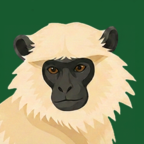
Camera trap surveys conducted by Bhutanese park rangers have confirmed the presence of Royal Bengal Tigers roaming at remarkable altitudes near three thousand meters inside the park, alongside Common Leopards, Clouded Leopards, and Asiatic Golden Cats. In the lower warm broadleaf forests toward Zhemgang and Mongar, troops of Assamese Macaques and Capped Langurs move noisily through the upper canopy. Higher up on steep rocky cliffs, Himalayan Serow, Himalayan Goral, and Barking Deer graze quietly at dawn and dusk.
Top Birding Hotspots and Trails in Thrumshingla
To cover the full spectrum of species inside the park, wildlife itineraries divide the reserve into distinct altitudinal zones, spending dedicated mornings in each sector.
| Hotspot Sector | Elevation Range | Dominant Habitat | Key Target Species |
|---|---|---|---|
| Thrumshing La Pass | 3,400 to 3,750 meters | Subalpine fir and rhododendron | Blood Pheasant, Himalayan Monal, Snow Pigeon, Spotted Nutcracker |
| Sengor and Lateral Slope | 2,800 to 3,300 meters | Hemlock, bamboo, and cool broadleaf | Satyr Tragopan, Red Panda, Great Parrotbill, Fire-tailed Myzornis |
| Yongkola Forest Belt | 1,700 to 2,400 meters | Moist warm broadleaf forest | Ward’s Trogon, Beautiful Nuthatch, Rufous-throated Wren-Babbler |
| Lingmethang Valley | 700 to 1,400 meters | Subtropical forest and river edge | Rufous-necked Hornbill, Violet Cuckoo, Blue-bearded Bee-eater |
1. Thrumshing La Pass and the Rhododendron Garden Trail
At three thousand seven hundred fifty meters, Thrumshing La Pass marks the highest motorable point on the central highway. On crisp mornings, the pass reveals sweeping views of snow-draped peaks, including Gangkhar Puensum. Just below the pass, the in-situ Rhododendron Garden Trail winds gently through ancient firs and more than twenty species of wild rhododendrons. Walking this peaceful trail at sunrise offers prime chances to encounter Blood Pheasants, White-winged Grosbeaks, Plain-backed Thrushes, and Yellow-billed Blue Magpies.
Bhutan Best Inbound Tour
2. Sengor Valley and Upper Bamboo Slopes
Descending east from the pass brings you to the tiny highland settlement of Sengor, surrounded by rolling meadows and dense bamboo-choked forests. This stretch of road is famous among naturalists as prime Satyr Tragopan and Red Panda territory. Slowly walking the quiet road shoulders early in the morning allows you to listen for the wailing calls of male tragopans and spot colorful sunbirds, rosefinches, and tits flitting through wild berry bushes.
3. The Legendary Yongkola Birding Stretch
Ask any experienced Himalayan ornithologist about Yongkola, and their eyes will immediately light up. Located along the steep, forested descent between Sengor and Lingmethang, Yongkola sits right in the sweet spot of warm and cool temperate broadleaf forest. Giant moss-covered trees, cascading waterfalls like Namling Waterfall, and thick bamboo gullies create an unmatched concentration of rare birds. Spending two full mornings exploring the Yongkola road bends routinely produces sightings of Ward’s Trogon, Slender-billed Scimitar Babbler, Golden-naped Finch, and Coral-billed Scimitar Babbler.
4. Lingmethang and the Kuri Chhu River Gorge
Further down the mountain, the climate turns noticeably warmer as the road reaches Lingmethang along the Kuri Chhu River. Here, subtropical broadleaf forests host lowland specialties that never venture up to the colder passes. Birders scanning the riverbanks and forest edges look for Rufous-necked Hornbills, Great Hornbills, Crested Kingfishers, White-browed Scimitar Babblers, and vibrant minivets. Many travelers combine this eastern sector with an 18 days best birding and wildlife trip in the Himalayan kingdom of Bhutan to experience the complete altitudinal gradient from southern subtropical jungles all the way to alpine passes.
Best Time of Year to Visit Thrumshingla National Park
Because Thrumshingla spans such dramatic elevations, weather conditions vary significantly by season. Choosing the right travel window ensures clear mountain passes, active wildlife, and comfortable trail conditions.
Spring: March to May
Spring is widely considered the top season for birdwatching and botanical exploration in Thrumshingla. Between late March and May, dozens of rhododendron species burst into shades of crimson, pink, white, and yellow across the higher slopes. Summer migrant birds arrive from lower elevations to breed, and resident pheasants like Satyr Tragopan and Himalayan Monal become vocal and visible during courtship displays. Travelers seeking a balanced itinerary often enjoy a 13 days luxury bird watching and cultural holiday in Bhutan during April or May when valleys are blooming and festival energy fills central Bhutan.
Bhutan Best Inbound Tour
Autumn: September to November
Autumn brings crisp blue skies, dry roads, and sweeping Himalayan mountain views after the summer rains retreat. From late September through November, migratory birds pass through the central valleys, and mixed feeding flocks are large and active throughout the day. Daytime temperatures are mild in Yongkola and brisk at Thrumshing La Pass, making autumn ideal for both bird photography and scenic forest hikes.
Winter: December to February
Winter offers exceptional visibility into the forest canopy because deciduous trees shed their leaves and high-altitude birds descend to warmer middle elevations around Yongkola and Lingmethang. While heavy snowfall can occasionally close Thrumshing La Pass for a day or two in January or February, lower elevations remain sunny, dry, and packed with wintering thrushes, accentors, finches, and foraging flocks.
Summer Monsoon: June to August
From June through August, moist monsoon winds bring frequent rain, dense mountain mist, and slippery road conditions across central Bhutan. While the forests look lush and wild orchids bloom along mossy trunks, persistent fog can limit visibility for bird photography and mountain views.
Practical Planning Tips for Your Thrumshingla Expedition
Preparing properly for the rapid temperature swings between warm river valleys and chilly mountain passes will keep you comfortable throughout your wildlife journey.
- Pack Clothing in Layers: You may start the morning at three thousand seven hundred meters in freezing temperatures and eat lunch three hours later in warm subtropical weather at one thousand meters. Bring thermal base layers, a warm fleece or down jacket, a waterproof windbreaker, and breathable cotton shirts.
- Choose Quality Optics and Camera Gear: A reliable pair of binoculars with 8×42 or 10×42 magnification is essential for spotting small warblers and nuthatches in tall broadleaf trees. Photographers should carry a telephoto lens of at least 400mm along with extra batteries, as cold morning air drains battery life faster.
- Wear Sturdy Waterproof Footwear: Even when birding primarily along quiet roadsides, early morning dew, damp mossy trails, and occasional stream crossings require comfortable hiking shoes with good grip.
- Acclimatize Gradually: Because Thrumshing La Pass sits above three thousand seven hundred meters, itineraries moving eastward from Paro, Thimphu, Punakha, and Bumthang allow your body to adjust naturally to higher altitudes before crossing the pass.
- Respect Park Rules and Wildlife: Keep voices low on forest trails, never play loud bird calls repeatedly to disturb nesting birds, and carry all litter out of the park to preserve its pristine ecosystem.
Plan Your Custom Bhutan Birding Trip with Langur Eco Travels
Navigating central Bhutan’s mountain highways, securing park entry permits, and timing dawn arrivals at remote hotspots like Yongkola and Sengor requires local expertise and careful coordination. Accommodation near key birding zones is intimate and limited, meaning early planning ensures the best lodge locations right next to prime forest habitats.
As a leading Bhutan tour and travel company, Langur Eco Travels designs personalized wildlife and birdwatching expeditions led by seasoned Bhutanese naturalists who know the calls, habitats, and seasonal movements of every rare species in the kingdom. Whether you want to focus deeply on central Bhutan’s cloud forests or explore multiple national parks across the country, reach out through our contact form to start planning your tailored Himalayan wildlife adventure.
Frequently Asked Questions
1. Why is Thrumshingla National Park also called Phrumsengla National Park?
Thrumshingla National Park was officially renamed Phrumsengla National Park by the Royal Government of Bhutan to reflect the local Dzongkha name of the high mountain pass inside the reserve, though both names are widely used by birders and travelers.
2. How many bird species can be seen in Thrumshingla National Park?
More than three hundred sixty species of birds have been recorded inside the park, making it one of the most important birding destinations in the entire eastern Himalayas.
3. Can you see Red Pandas in Thrumshingla National Park?
Yes, Thrumshingla National Park supports a healthy population of wild Red Pandas, particularly in the cool temperate broadleaf and fir forests with dense bamboo around Sengor and Thrumshing La Pass.
4. What is the best place inside the park for rare forest birds?
The forested stretch along the Lateral Road between Sengor and Yongkola is world-famous among birdwatchers for rare species such as Ward’s Trogon, Satyr Tragopan, Beautiful Nuthatch, and Rufous-throated Wren-Babbler.
5. What is the elevation of Thrumshing La Pass?
Thrumshing La Pass sits at an elevation of approximately three thousand seven hundred fifty meters above sea level, offering dramatic views of the surrounding alpine peaks and rhododendron forests.
Bhutan Best Inbound Tour
6. When do the rhododendrons bloom in Thrumshingla National Park?
Wild rhododendrons bloom across the subalpine and temperate slopes of the park from late March through May, creating vibrant bursts of color alongside peak spring bird activity.
7. Do I need a guide to visit Thrumshingla National Park?
International travelers exploring wildlife and birding routes in central Bhutan travel with licensed local tour operators and certified Bhutanese guides who handle park permits, safe mountain driving, and expert wildlife spotting.
8. How many days should I spend birding in Thrumshingla National Park?
Most dedicated birdwatching itineraries spend two to four full days exploring the different elevation zones between Bumthang, Thrumshing La Pass, Sengor, Yongkola, and Lingmethang to maximize sightings.