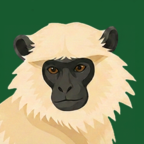

Finding the best places to see Golden Langur in Bhutan is a dream come true for wildlife photographers, nature lovers, and curious travelers who want to witness one of the rarest primates on Earth. Known scientifically as Trachypithecus geei, this striking monkey lives only in a small pocket of the eastern Himalayas, specifically across south-central Bhutan and a tiny neighboring belt in Assam, India. With its creamy golden coat that shifts to a rich chestnut hue in winter, a jet-black face, and a long tail that helps it balance high in the forest canopy, spotting a troop of these primates feels like watching forest spirits come alive. For travelers planning a dedicated wildlife expedition, Langur Eco Travels offers deep local knowledge, ethical tracking practices, and seamless logistics across the rugged southern foothills and central valleys of the kingdom.
Bhutan protects more than half of its total land area under national parks, wildlife sanctuaries, and biological corridors, making it the strongest global refuge for this endangered species. Unlike crowded safari destinations where vehicles line up around watering holes, wildlife watching in Bhutan happens on quiet forest roads, suspension bridges, and mossy mountain trails. You hear the rustle of broadleaved trees before you catch sight of golden fur glowing in the morning sun. Whether you are already planning to watch the birds of Bhutan or focusing strictly on rare Himalayan mammals, knowing where these langurs live, what they eat, and how they move through different elevations will turn a hopeful search into a rewarding encounter.
Understanding the Rare Golden Langur of Bhutan
Before packing your binoculars and camera gear, it helps to understand why the Golden Langur holds such a special place in Bhutanese ecology and culture. In Bhutan, local communities refer to this primate as Raksha, and Buddhist traditions encourage deep respect for all living beings sharing the mountain forests. Because hunting is strictly forbidden and forest conservation is written directly into the national constitution, Bhutanese troops are generally calm and less fearful of quiet human observers compared to fragmented populations elsewhere.
Two Distinct Subspecies and Seasonal Coat Changes
Scientists recognize two distinct subspecies of this primate within the region. The northern subspecies, Trachypithecus geei bhutanensis, inhabits the cooler, higher-elevation broadleaf and chir pine forests inside Bhutan, reaching altitudes above two thousand meters. The southern subspecies, Trachypithecus geei geei, prefers the warm subtropical jungles along the Indian border. Their coats actually change color with the seasons. During the warm summer months, their fur looks pale cream or silvery white. Once the crisp autumn and winter air arrives, their coats turn into a brilliant, fiery gold that stands out sharply against dark green leaves.
Daily Habits, Troop Structure, and Forest Diet
Golden Langurs are strictly arboreal and diurnal, meaning they spend almost their entire lives high in the trees during daylight hours. They rarely descend to the forest floor unless they need to cross a gap where tree branches do not meet or lick mineral-rich soil along riverbanks. A typical troop consists of eight to twelve individuals led by a dominant adult male alongside several adult females and their playful young. Their diet is completely herbivorous, made up of young leaves, ripe fruits, flower buds, seeds, and tender shoots. Watching a troop feed at dawn while mist rises from a river valley is easily one of the most memorable wildlife experiences in Asia.
Top Wildlife Destinations and Best Places to See Golden Langur in Bhutan
Because the geographic range of this primate is bounded naturally by major river systems, including the Sankosh River to the west and the Manas River to the east, your search must focus on the south-central districts of Bhutan. Below are the most reliable, scenic, and ecologically rich locations where travelers can observe them in the wild.
1. Zhemgang District and the Tingtibi Forest Belt
If you ask any seasoned Bhutanese naturalist where to find the highest concentration of Golden Langurs outside fenced reserves, Zhemgang District will always top the list. Located in remote south-central Bhutan, Zhemgang remains one of the least commercially developed regions in the country, which keeps its subtropical and warm broadleaf forests intact. The stretch of winding mountain road running from Trongsa down toward Tingtibi and Panbang passes right through prime primate territory.
Morning Sightings Along the Mangdechhu River Valley
Early mornings along the Mangdechhu River valley offer extraordinary sighting opportunities. Troops frequently sleep in tall trees overhanging the river gorge and wake up as the first rays of sunlight hit the eastern slopes. You do not even need to hike deep into dense jungle here; many troops forage calmly in the canopy right beside the quiet highway. Keeping your vehicle engine off, speaking in whispers, and scanning the mid-level branches between six and nine in the morning often yields clear views of mothers carrying bright orange-gold infants. Tingtibi serves as an ideal basecamp, offering simple, welcoming eco-lodges and immediate access to surrounding forest trails.
2. Jigme Singye Wangchuck National Park
Covering more than seventeen hundred square kilometers across central Bhutan, Jigme Singye Wangchuck National Park is a massive biodiversity stronghold that protects a huge portion of the northern Golden Langur population. The park spans dramatic elevation changes, moving from low subtropical valleys at a few hundred meters up to alpine peaks over four thousand meters. This wide range of habitats creates a natural sanctuary where wildlife thrives undisturbed.
Exploring Community Trails Around Nabji and Korphu
The southern and eastern buffer zones of the park, particularly around Trongsa, Nabji, and Korphu, are famous for community-based eco-tourism trails. Local villagers work closely with park rangers to monitor wildlife and guide visitors safely along established forest paths. Walking the Nabji Trail allows travelers to immerse themselves in pristine warm broadleaf forests filled with giant fig trees, wild orchids, and moss-draped oaks. Alongside Golden Langurs, this park shelters hornbills, red pandas, barking deer, and Himalayan black bears. Because the trees here are tall and mature, bringing a good pair of binoculars or a telephoto camera lens will help you catch sharp details of the primates grooming one another high above the trail.
3. Royal Manas National Park
Situated in the southern foothills bordering India, Royal Manas National Park is the oldest protected area in Bhutan and a crown jewel of Asian conservation. Covering over one thousand square kilometers across Sarpang, Zhemgang, and Pemagatshel districts, this park connects directly with Manas National Park in Assam, forming a vast transboundary wilderness. The park holds one of the richest assemblages of wildlife on the continent, including Bengal tigers, Asian elephants, clouded leopards, greater one-horned rhinos, and thriving populations of Gee’s Golden Langur.
Panbang Gateway and Riverine Forest Safaris
The Panbang area serves as the primary gateway to Royal Manas National Park. Here, the confluence of the Mangdechhu and Drangme Chhu rivers creates lush riverine forests that langurs love. Exploring the park involves guided jungle walks, river rafting along calm stretches of the Manas River, and jeep tracks through lowland tropical forests. Because the climate in Royal Manas is warm and humid compared to northern Bhutan, the vegetation grows thick and vibrant. Langur troops here often share the canopy with Great Hornbills, Rufous-necked Hornbills, and troops of Assamese macaques. Visitors who join a comprehensive 18 days best birding and wildlife trip in the Himalayan kingdom of Bhutan frequently cite the Panbang and Royal Manas sector as the highlight of their entire journey.
4. Phibsoo Wildlife Sanctuary
Tucked into the southwestern foothills along the border of Dagana and Sarpang districts, Phibsoo Wildlife Sanctuary is Bhutan’s smallest protected area, yet it punches far above its weight in ecological importance. Covering roughly two hundred and seventy square kilometers, Phibsoo is the only reserve in Bhutan that protects natural sal forests alongside populations of chital deer, Asian elephants, and gaur.
Protecting the Southern Subspecies in Natural Sal Forests
Recent conservation surveys confirm that Phibsoo Wildlife Sanctuary supports a healthy, vital population of the southern subspecies of Golden Langur. Because the sanctuary receives fewer international tourists than central Bhutan, wildlife encounters here feel deeply private and raw. The terrain features gentle foothills, seasonal streams, and dense semi-evergreen woodlands. Visiting Phibsoo requires careful advance permits arranged through licensed local tour operators, ensuring that visitor numbers remain low and the forest ecosystem stays completely protected from disturbance.
5. The Trongsa to Gelephu Highway Corridor
Not every great wildlife sighting in Bhutan requires days of trekking. One of the most accessible corridors for spotting Golden Langurs lies along the scenic north-south highway connecting Trongsa to the southern border town of Gelephu. This road winds down through dramatic mountain gorges, passing through Dakphel, Tama, and the lower Sarpang hills.
Roadside Canopy Observation Points
Throughout this corridor, biological corridors link Jigme Singye Wangchuck National Park with Royal Manas National Park and Phibsoo Wildlife Sanctuary. Because Bhutanese conservation planners intentionally preserved forest strips across highways and over river bridges, Golden Langur troops regularly move through the roadside canopy. Traveling this route with an experienced wildlife spotter means you can pull over safely at wide road shoulders whenever branches begin to sway. It is quite common to see a whole family of langurs sitting calmly on roadside trees, unbothered by occasional passing cars, munching on tender leaves in the afternoon light.
6. Biological Corridors Between Protected Areas
Bhutan stands apart from almost every other nation because its national parks are not isolated islands. Instead, a network of legally protected biological corridors connects every major park and sanctuary across the country. The corridor linking Jigme Singye Wangchuck National Park, Phrumsengla National Park, and Royal Manas National Park acts as an active wildlife highway.
Seasonal Movement Along the Chamkharchhu Valley
For Golden Langurs, these corridors are essential for genetic health and seasonal movement. During warmer months, some troops move slightly higher up the forested ridges to feed on fresh spring foliage, while in winter they descend toward warmer river valleys. Exploring the forest roads around Berti, Gomphu, and the lower Chamkharchhu valley puts you right inside these living corridors. In some areas along the Chamkharchhu River, researchers have even studied fascinating natural overlap zones where Golden Langurs live near Capped Langurs, making the region an extraordinary open-air classroom for primate enthusiasts.
Comparing the Top Golden Langur Locations in Bhutan
| Location Name | District | Elevation Range | Habitat Type | Accessibility and Best Activity |
| Zhemgang and Tingtibi | Zhemgang | 500 to 1,800 meters | Subtropical and warm broadleaf forest | Easy road access and forest walks along river gorges |
| Jigme Singye Wangchuck National Park | Trongsa, Zhemgang, Wangdue | 300 to 4,000 meters | Warm and cool broadleaf, chir pine | Guided community trails like Nabji and road spotting |
| Royal Manas National Park | Sarpang, Zhemgang, Pemagatshel | 100 to 2,600 meters | Tropical monsoon and riverine forest | Boat safaris, jungle treks, and wildlife lodges near Panbang |
| Phibsoo Wildlife Sanctuary | Dagana and Sarpang | 200 to 1,600 meters | Natural sal and semi-evergreen forest | Remote guided excursions requiring special permits |
| Trongsa to Gelephu Corridor | Trongsa and Sarpang | 300 to 2,200 meters | Connected biological forest corridor | Scenic overland wildlife drives with frequent roadside stops |
Best Time of Year to See Golden Langur in Bhutan
Timing your journey properly makes a massive difference in both sighting probability and overall travel comfort. While Golden Langurs do not migrate out of Bhutan and can technically be seen year-round, certain seasons offer far better weather, road conditions, and coat coloration.
Autumn: October to November
Autumn is widely considered the premier window for wildlife travel in Bhutan. Once the summer monsoon rains end in late September, the skies turn crystal clear, mountain roads are dry, and humidity drops to comfortable levels. During October and November, the Golden Langur’s fur transitions into its deepest, richest golden-orange winter coat. Morning temperatures in Zhemgang and Royal Manas are mild and pleasant, making early dawn excursions effortless. Because fruiting trees are abundant in autumn, troops tend to gather in predictable feeding zones, making them much easier to locate.
Winter: December to February
Winter brings crisp, sunny days to the southern foothills and river valleys of Bhutan. While high mountain passes like Pele La and Dochula can see snow, low-elevation habitats in Tingtibi, Panbang, and Gelephu remain pleasantly warm during the day, usually ranging between fifteen and twenty-two degrees Celsius. Winter is actually one of the easiest times to spot primates in the trees because many deciduous broadleaf trees shed a portion of their leaves, opening up clear sightlines into the upper canopy. Furthermore, langurs spend extra time basking in sunny treetops during cool mornings to warm up, giving photographers unobstructed views.
Spring: March to May
Spring transforms Bhutan’s forests into a tapestry of blooming rhododendrons, magnolias, and wild orchids. As fresh green shoots and flower buds burst across the canopy, Golden Langurs become very active, moving enthusiastically through the branches to feast on new growth. Morning bird chorus reaches its peak during these months, making spring ideal for travelers who want to combine primate tracking with a 13 days luxury bird watching and cultural holiday in Bhutan. By late May, pre-monsoon clouds begin to gather, bringing warm afternoon showers.
Summer Monsoon: June to September
Heavy monsoon rains sweep across the southern Himalayan foothills from June through September. While the forests look intensely lush and green, frequent downpours can trigger landslides along steep mountain roads, and leeches become common on forest trails. Additionally, the primates’ coats turn pale cream during summer, blending more subtly into misty tree branches. Most wildlife operators recommend focusing on autumn, winter, or spring for the smoothest and safest experience.
Essential Wildlife Tracking and Photography Tips
Spotting wild primates in thick mountain forests requires patience, sharp observation skills, and respect for animal behavior. Following a few practical field habits will greatly increase your chances of memorable encounters without causing stress to the animals.
Field Preparation and Ethical Viewing Habits
- Start at First Light: Golden Langurs are most active during the first three hours after sunrise. Once the midday sun climbs high, troops usually retreat into dense, shaded inner branches to rest and digest their morning meal. Aim to be on the forest trail or quiet road stretch by six in the morning.
- Listen Before You Look: In tall broadleaf forests, you will almost always hear a troop before you see them. Listen for the sudden swishing of heavy branches, falling leaves or fruit pods, and soft contact calls between mothers and juveniles.
- Dress in Earthy, Muted Colors: Avoid wearing bright white, neon yellow, or vibrant red jackets. Olive green, brown, khaki, and muted grey clothing help you blend naturally into the forest background so the troop stays relaxed.
- Bring Proper Optics: Even when a troop is near a road, they often sit fifteen to thirty meters up in the canopy. A lightweight pair of binoculars is essential for everyone in your group. For photographers, a zoom lens between 300mm and 600mm allows you to capture intimate portraits without needing to approach too closely.
- Maintain Ethical Distance: Never throw food, make loud noises to get their attention, or use flash photography. Keep voices low and allow the troop a clear path through the trees so they never feel cornered.
Conservation Efforts Protecting Bhutan’s Golden Langurs
The survival of the Golden Langur in Bhutan is a remarkable conservation story shaped by science, government policy, and grassroots community pride. Globally, the International Union for Conservation of Nature classifies Trachypithecus geei as Endangered, with total wild numbers estimated at roughly twelve thousand individuals across both Bhutan and India combined.
Canopy Bridges and Habitat Protection
In Bhutan, the Department of Forests and Park Services actively monitors troop numbers, maps habitat corridors, and mitigates modern infrastructure challenges. Because the species is strictly arboreal, overhead power lines and wide road clearings can pose electrocution or barrier risks. Conservation teams have responded by insulating power cables in critical primate zones and installing artificial canopy bridges where road widening has separated tree crowns.
Role of Rural Communities in Eco-Tourism
Equally important is the role of rural farming communities in Zhemgang, Trongsa, and Sarpang. Through sustainable eco-tourism programs, local homestays, village nature guides, and community forest groups earn direct income when travelers visit to see wildlife. When local residents see that living, thriving forests bring global visitors to their valleys, protecting Golden Langur habitats becomes a shared point of pride for every household.
Planning Your Wildlife Journey with Langur Eco Travels
Organizing a wildlife expedition into Bhutan’s south-central forests requires thoughtful route planning, local permit coordination, and experienced field guides who know individual troop territories by heart. Unlike standard cultural tours that stay strictly between Paro, Thimphu, and Punakha, wildlife journeys travel deep into quieter districts like Trongsa, Zhemgang, and Panbang where lodges are boutique, drives are scenic, and every bend in the road holds the promise of rare biodiversity.
As a leading Bhutan tour and travel company, Langur Eco Travels specializes in crafting tailor-made wildlife, primate tracking, and birding itineraries led by passionate Bhutanese naturalists. Every trip is designed around ethical wildlife viewing, comfortable pacing, and genuine cultural immersion in rural Himalayan communities. If you are ready to design your custom wildlife itinerary or check seasonal availability, reach out directly through our contact form to start planning your journey into the emerald forests of Bhutan.
Frequently Asked Questions
1. Where is the single best place to see Golden Langur in Bhutan?
Zhemgang District, particularly along the forested road between Trongsa, Tingtibi, and Panbang, is widely considered the most reliable place to see Golden Langurs in Bhutan. Jigme Singye Wangchuck National Park and Royal Manas National Park also protect large, healthy populations.
2. How many Golden Langurs are left in the wild in Bhutan?
Conservation surveys estimate that Bhutan is home to roughly six thousand to six thousand six hundred wild Golden Langurs, representing more than half of the entire global population of this endangered primate.
3. What is the best month to see Golden Langurs in Bhutan?
October, November, March, and April are the best months for spotting Golden Langurs. During late autumn and winter, their coats turn a vibrant golden-orange color, and clear skies make forest tracking comfortable and productive.
4. Are Golden Langurs easy to spot in the wild?
With an experienced Bhutanese wildlife guide who knows their daily feeding territories, sighting chances in Zhemgang and Jigme Singye Wangchuck National Park are very high. Early morning drives and quiet forest walks yield the most consistent encounters.
5. Do I need special permits to visit Golden Langur habitats in Bhutan?
Standard Bhutanese tourist visas cover travel along main highways through Trongsa and Zhemgang, while entering core zones of Royal Manas National Park or Phibsoo Wildlife Sanctuary requires restricted area and park entry permits arranged in advance by your licensed tour operator.
6. Why does the Golden Langur change color?
The Golden Langur experiences seasonal coat changes. In warm summer months, its fur is pale cream or off-white, whereas in autumn and winter, its coat deepens into a rich golden or reddish-gold shade.
7. Can I combine Golden Langur tracking with bird watching in Bhutan?
Yes, Golden Langur habitats in central and southern Bhutan overlap directly with the richest birding zones in the eastern Himalayas. Travelers regularly spot hornbills, trogons, wren-babblers, and pittas in the exact same broadleaf forests.
8. How many days are needed for a Golden Langur wildlife tour in Bhutan?
A dedicated wildlife itinerary typically takes between ten and eighteen days, allowing comfortable overland travel from Paro through Thimphu, Punakha, Trongsa, Zhemgang, and Royal Manas National Park without rushing.