
Stepping into the heart of the eastern Himalayas through this complete Jigme Singye Wangchuck National Park Wildlife Guide introduces travelers to one of the most ecologically intact mountain sanctuaries in Asia. Formerly known as Black Mountains National Park, this vast reserve covers roughly one thousand seven hundred thirty square kilometers across central Bhutan, making it the third largest protected area in the kingdom. Spanning parts of five districts, namely Trongsa, Wangdue Phodrang, Zhemgang, Sarpang, and Tsirang, the park acts as a living biological bridge connecting the subtropical jungles of Royal Manas National Park in the south with the snowy alpine peaks of northern Bhutan. Travelers exploring this wild landscape with Langur Eco Travels experience quiet broadleaf forests, remote mountain villages, and unmatched wildlife diversity far away from crowded tourist routes.
Because its terrain climbs steadily from low river valleys near two hundred meters up to rugged mountain ridges approaching five thousand meters, the park shelters an extraordinary range of plants, mammals, and birds within a relatively compact geographic footprint. Whether your main goal is tracking rare primates through mossy oak canopies, searching for elusive wild cats along forest corridors, or spotting the most sought-after birds of Bhutan, knowing how this reserve functions will enrich every hour you spend on its trails. From community-run winter treks to high-elevation birding drives, this guide covers the habitats, wildlife species, seasonal windows, and practical logistics needed to plan an unforgettable expedition.
Geography and Ecological Importance of the Black Mountains
Established in 1995 and named in honor of Bhutan’s Fourth King, Jigme Singye Wangchuck National Park protects the core watershed of the Black Mountain range. This mountain chain forms a natural geographical divide between western and central Bhutan, influencing local rainfall patterns, river systems, and the distribution of Himalayan flora and fauna. Major rivers such as the Mangdechhu and Punatsangchhu draw vital headwaters from the park’s forested slopes, sustaining downstream agriculture and clean energy across the country.
A Vital Biological Bridge Across Central Bhutan
What elevates this national park from a scenic mountain reserve to a globally critical conservation landscape is its strategic position. Rather than standing alone as an isolated pocket of wilderness, Jigme Singye Wangchuck National Park links directly with Royal Manas National Park along its southern boundary and connects through legally protected biological corridors to Phrumsengla National Park and Jigme Dorji National Park in the north. This unbroken chain of forest allows wide-ranging mammals like Royal Bengal Tigers, Clouded Leopards, and Himalayan Black Bears to migrate naturally across elevations as seasons change without encountering urban barriers.
Six Distinct Forest Types Across Dramatic Elevations
Walking or driving from the southern foothills up toward the central mountain passes reveals six distinct ecological zones, each supporting specialized plant communities and wildlife assemblages.
- Subtropical Broadleaf Forest: Found along the warm southern valleys between two hundred and one thousand meters, characterized by towering fig trees, wild bananas, tangled lianas, and dense bamboo thickets.
- Chir Pine Woodland: Occupying drier, sun-exposed slopes between eight hundred and one thousand eight hundred meters, dominated by open stands of drought-resistant chir pine and seasonal grasses.
- Warm Temperate Broadleaf Forest: Stretching from one thousand to two thousand meters, this humid, moss-draped forest belt bursts with evergreen oaks, chestnuts, laurels, and wild orchids.
- Cool Temperate Broadleaf Forest: Located between two thousand and two thousand nine hundred meters, featuring giant maples, birches, ring-cupped oaks, and thick dwarf bamboo understory.
- Mixed Conifer and Blue Pine Forest: Spanning roughly two thousand one hundred to three thousand five hundred meters, where stately Himalayan hemlocks, spruces, and blue pines form shaded mountain woodlands.
- Subalpine Fir and Alpine Scrub: Rising above three thousand five hundred meters toward the rocky summits of the Black Mountains, where hardy silver firs give way to dwarf rhododendrons, junipers, and high-altitude meadows.
Iconic Mammals of Jigme Singye Wangchuck National Park
Camera trap studies and field surveys conducted by Bhutanese forest rangers have documented nearly forty species of medium and large mammals inside the park boundaries, including several globally endangered predators and primates. Because hunting is strictly prohibited under Bhutanese law and local Buddhist traditions foster deep respect for wildlife, animals here retain natural behaviors in undisturbed habitats.
Gee’s Golden Langur
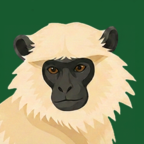
The undisputed flagship primate of the park is Gee’s Golden Langur, known locally as Raksha. This rare leaf-eating monkey lives only in a restricted belt of south-central Bhutan and neighboring Assam. Inside Jigme Singye Wangchuck National Park, thriving troops of the northern subspecies inhabit the warm and cool broadleaf forests around Nabji, Korphu, and the lower Mangdechhu valley. Their coats shift dramatically with the seasons, turning from pale cream in summer to a luminous golden-orange hue during the crisp autumn and winter months. Watching a troop leap effortlessly between moss-covered oak branches in the early morning light is one of the finest wildlife sights in the Himalayas.
High-Altitude Royal Bengal Tigers and Wild Cats
One of the most remarkable scientific discoveries inside Jigme Singye Wangchuck National Park is the confirmed presence of breeding Royal Bengal Tigers roaming at elevations exceeding three thousand meters. Camera traps positioned along high mountain ridges regularly capture tigers traveling through mixed conifer and cool broadleaf forests, proving how well-connected Bhutan’s habitats remain. Alongside tigers, the park shelters Clouded Leopards, Common Leopards, Asiatic Golden Cats, Marbled Cats, and Leopard Cats, creating one of the richest wild felid communities anywhere in Asia.
Red Panda and Himalayan Black Bear
In the cool temperate broadleaf and fir forests where thick ringal bamboo grows beneath towering hemlocks, the endangered Red Panda finds an ideal home. Although shy and largely arboreal, Red Pandas are occasionally spotted resting on sun-warmed branches or feeding on tender bamboo shoots near high mountain passes. Sharing these middle-elevation forests are Himalayan Black Bears, Yellow-throated Martens, Barking Deer, Sambar, Himalayan Serow, and Himalayan Goral. In the southern subtropical valleys, herds of wild Gaur and Wild Boar forage along quiet riverbanks.
Birdlife and Premier Avian Targets Inside the Park
Ornithologists recognize Jigme Singye Wangchuck National Park as one of the richest birding landscapes in the eastern Himalayas, with nearly three hundred bird species recorded across its elevation zones. Because the park encompasses both lowland river valleys and subalpine ridges, it acts as a seasonal highway for altitudinal migrants that move upslope in spring to breed and descend to warmer valleys in winter.
Globally Threatened and Range-Restricted Birds
Several rare and sought-after species rely on the park’s pristine river systems and mature broadleaf forests for survival.
- White-bellied Heron: One of the rarest birds on the planet, this critically endangered heron feeds along the quiet, boulder-strewn banks of the Mangdechhu and Punatsangchhu rivers along the park’s edges.
- Rufous-necked Hornbill: Easily recognized by its resonant barking calls and heavy wingbeats, this vulnerable hornbill nests in giant old-growth trees across the warm broadleaf forests near Nabji and Tingtibi.
- Beautiful Nuthatch: A prized target for international birders, this vivid blue, black, and chestnut nuthatch creeps along thick mossy limbs in mixed feeding flocks between one thousand eight hundred and two thousand four hundred meters.
- Satyr Tragopan: Inhabiting dense bamboo and rhododendron thickets in cool temperate forests, male tragopans display brilliant crimson plumage spotted with white during spring courtship.
- Wood Snipe: A secretive high-altitude wader that breeds in damp alpine meadows and marshy streams during warmer months before descending to forested gullies in winter.
Mixed Feeding Flocks and Understory Specialties
Spending a morning walking slowly along forest tracks inside the park reveals the magic of Himalayan mixed feeding flocks. A single flock moving through the canopy may include Cutia, White-browed Shrike-Babbler, Sultan Tit, Yellow-cheeked Tit, Scarlet Minivet, and several species of leaf warblers. Meanwhile, patient observers scanning damp bamboo gullies and fern-covered slopes can spot Rufous-throated Wren-Babbler, Spotted Laughingthrush, Coral-billed Scimitar Babbler, Great Parrotbill, and Fire-tailed Myzornis.
Top Trails, Corridors, and Wildlife Hotspots in the Park
Exploring Jigme Singye Wangchuck National Park offers options for both dedicated trekkers and travelers who prefer comfortable overland drives with gentle forest walks.
1. The Nabji-Korphu Community Eco-Trail
Developed through a partnership between park authorities and local villages, the Nabji-Korphu Trail is widely regarded as the premier low-altitude winter wildlife trek in Bhutan. Open primarily from mid-October through March, this six-day, five-night trail winds through warm broadleaf forests in the southeastern sector of the park at elevations between one thousand and one thousand six hundred meters.
Because the trail stays at comfortable lower elevations, hikers enjoy mild daytime temperatures even in mid-winter while passing directly through prime Golden Langur and Rufous-necked Hornbill habitat. Every evening, trekkers camp near traditional Monpa and Khengpa villages such as Jangbi, Phrumzur, Nabji, and Korphu, where community members manage campsites, prepare fresh local meals, and share ancestral forest knowledge.
2. The Adha-Rukha Cultural and Wildlife Trail
Located on the western side of the Black Mountains in Wangdue Phodrang District, the Adha-Rukha Trail offers a quieter five-day journey through dense broadleaf and mixed conifer woodlands. Linking remote farming settlements tucked deep inside the park, this route rewards walkers with frequent sightings of Sambar, Barking Deer, Assamese Macaques, and diverse forest raptors. Because visitor numbers remain very low, wildlife along the Adha-Rukha route shows minimal fear of quiet hikers.
3. Pele La Pass and the Phobjikha Buffer Zone
Along the northern boundary of the park, the main east-west highway crosses Pele La Pass at three thousand four hundred twenty meters before descending toward Trongsa. The surrounding subalpine fir and bamboo forests are prime spots for high-altitude birding, regularly producing Blood Pheasant, Himalayan Monal, Spotted Nutcracker, and White-winged Grosbeak. Just west of the pass lies the glacial Phobjikha Valley, an important buffer zone where hundreds of globally vulnerable Black-necked Cranes spend the winter months from late October to mid-February.
4. The Trongsa to Tingtibi River Gorge Corridor
Travelers who prefer vehicle-supported wildlife exploration can follow the dramatic mountain road descending south from Trongsa along the Mangdechhu River toward Tingtibi. This highway skirts the eastern flank of Jigme Singye Wangchuck National Park, passing through lush subtropical and warm broadleaf forests. Stopping at quiet road bends at dawn often yields close-up views of Golden Langur troops feeding in roadside trees, alongside Great Hornbills, Blue-bearded Bee-eaters, and Long-tailed Broadbills.
Comparing Major Wildlife Zones in Jigme Singye Wangchuck National Park
| Park Zone or Trail | Elevation Range | Primary Habitat | Signature Wildlife and Birds | Best Travel Season |
|---|---|---|---|---|
| Nabji-Korphu Trail | 1,000 to 1,600 meters | Warm broadleaf and bamboo forest | Golden Langur, Rufous-necked Hornbill, Sambar, Barking Deer | October to March |
| Adha-Rukha Trail | 1,200 to 2,500 meters | Mixed broadleaf and conifer forest | Himalayan Black Bear, Yellow-throated Marten, Forest Raptors | October to April |
| Pele La Pass Sector | 3,000 to 3,450 meters | Subalpine fir and dwarf bamboo | Red Panda, Blood Pheasant, Himalayan Monal, Laughingthrushes | March to May and October to November |
| Phobjikha Buffer Valley | 2,900 to 3,000 meters | Glacial marshland and blue pine | Black-necked Crane, Red Fox, Hen Harrier, White-throated Redstart | November to February |
| Mangdechhu Road Corridor | 500 to 1,800 meters | Subtropical and warm broadleaf | Golden Langur, White-bellied Heron, Great Hornbill, Trogons | October to April |
Best Time of Year to Visit Jigme Singye Wangchuck National Park
Selecting the right season depends on whether your priority is low-elevation trekking, high-pass birding, or comfortable overland wildlife drives.
Autumn: October to November
Autumn is arguably the finest all-around window for visiting Jigme Singye Wangchuck National Park. After the summer monsoon rains end in late September, skies clear to reveal crisp views of the Black Mountains. Forest trails dry out, river waters run clear, and daytime temperatures are pleasant across both high passes and lower valleys. During autumn, Golden Langurs display their richest golden winter coats, and large mixed flocks of birds forage actively through the broadleaf canopy.
Winter: December to February
Winter transforms the park’s lower elevations into a paradise for wildlife watchers. While snow dusts high ridges above three thousand meters, low-altitude routes like the Nabji-Korphu Trail and the Mangdechhu valley enjoy sunny, dry days with mild temperatures. Many deciduous trees lose their leaves in winter, opening clear sightlines into the upper branches for spotting primates and hornbills. Winter is also the essential season for observing Black-necked Cranes in the neighboring Phobjikha Valley.
Spring: March to May
Spring brings a burst of botanical color as wild magnolias, primulas, and dozens of rhododendron species bloom across the middle and upper slopes of the park. Migratory birds return to nest, dawn chorus reaches peak intensity, and pheasants like Satyr Tragopan become much easier to spot along forest edges. Travelers planning a 13 days luxury bird watching and cultural holiday in Bhutan often choose April or May to experience both peak spring birding and vibrant cultural festivals in central Bhutan.
Summer Monsoon: June to September
Between June and September, warm monsoon winds bring heavy rainfall, lush green vegetation, and frequent mountain mist. While higher alpine meadows burst with wildflowers, lower broadleaf trails become slippery and leeches are active. Most wildlife travelers focus on autumn, winter, and spring for optimal trail access and clear photography conditions.
Practical Tips for Wildlife Viewing and Trekking in the Park
Preparing thoughtfully for Bhutan’s mountain terrain and conservation rules ensures a smooth, rewarding wildlife experience.
- Pack for Multiple Elevation Zones: Because a single day can take you from chilly three-thousand-meter mountain passes down to warm subtropical river gorges, dress in breathable layers including thermal tops, a warm fleece or light down jacket, and a waterproof outer shell.
- Carry Reliable Optics and Camera Gear: Bring waterproof binoculars with 8×42 or 10×42 magnification for scanning tall broadleaf canopies. Wildlife photographers should carry a telephoto lens between 300mm and 600mm along with spare batteries and lens cloths for humid forest mornings.
- Choose Sturdy Footwear: Well-broken-in hiking boots with strong ankle support and grippy soles are essential for rocky riverbanks, mossy forest paths, and multi-day community treks.
- Start Early Every Morning: Mammals and forest birds are most active during the first three hours after sunrise. Plan to be on the trail or quiet forest road by six in the morning before midday warmth slows animal movement.
- Practice Ethical Wildlife Etiquette: Maintain a respectful distance from primates and nesting birds, keep voices low on trails, avoid bright neon clothing, and never leave behind any waste inside the park.
Conservation Success and Community Eco-Tourism
Jigme Singye Wangchuck National Park stands as a global model for balancing strict biodiversity protection with rural community well-being. Roughly five thousand residents live inside or along the park’s buffer zones across ten administrative blocks, practicing traditional terraced farming and seasonal cattle herding. Rather than excluding local people from conservation, park managers collaborate directly with villagers on anti-poaching patrols, human-wildlife conflict mitigation, and community-led eco-tourism.
When travelers hike the Nabji-Korphu Trail or stay in rural village lodges, tourism revenue flows directly to local porters, camp cooks, nature guides, and village development funds. This direct economic link gives mountain communities a strong incentive to protect Golden Langur forests, prevent forest fires, and safeguard critical tiger corridors for future generations.
Plan Your Wildlife Expedition with Langur Eco Travels
Exploring the remote trails, river gorges, and mountain passes of Jigme Singye Wangchuck National Park requires careful permit coordination, experienced local naturalists, and seamless ground logistics. Whether you want to combine multi-day trekking on the Nabji-Korphu Trail with roadside primate spotting in Trongsa and Zhemgang, or embark on an 18 days best birding and wildlife trip in the Himalayan kingdom of Bhutan covering multiple national parks from west to east, thoughtful planning makes all the difference.
Langur Eco Travels is a leading Bhutan tour and travel company dedicated to crafting customized wildlife, birdwatching, and nature expeditions led by knowledgeable Bhutanese guides. Every itinerary is tailored to your pace, fitness level, and target species while upholding the highest standards of responsible travel. To start designing your personalized wildlife journey into the Black Mountains, reach out directly through our contact form and let our team help you plan every detail.
Frequently Asked Questions
1. Where is Jigme Singye Wangchuck National Park located?
Jigme Singye Wangchuck National Park is located in central Bhutan across the Black Mountain range, spanning parts of Trongsa, Wangdue Phodrang, Zhemgang, Sarpang, and Tsirang districts.
2. How big is Jigme Singye Wangchuck National Park?
The park covers approximately one thousand seven hundred thirty square kilometers, making it the third largest national park in Bhutan.
3. What rare animals can you see in Jigme Singye Wangchuck National Park?
Key wildlife species include Gee’s Golden Langur, Royal Bengal Tiger, Red Panda, Clouded Leopard, Himalayan Black Bear, Yellow-throated Marten, Sambar, Barking Deer, and Himalayan Serow.
4. What is the Nabji-Korphu Trail?
The Nabji-Korphu Trail is a six-day community-based winter trekking route inside the southeastern sector of the park that passes through prime Golden Langur and Rufous-necked Hornbill habitat while visiting traditional Monpa villages.
5. How many bird species live in Jigme Singye Wangchuck National Park?
Nearly three hundred bird species have been recorded inside the park, including globally threatened species like the White-bellied Heron, Rufous-necked Hornbill, Wood Snipe, Beautiful Nuthatch, and Satyr Tragopan.
6. When is the best time to visit Jigme Singye Wangchuck National Park?
The best months to visit are October through May, with October to November offering crisp mountain views, December to February ideal for low-elevation winter treks, and March to May showcasing blooming rhododendrons and peak spring birding.
7. Do I need special permits to enter Jigme Singye Wangchuck National Park?
Yes, visitors require standard Bhutanese tourist entry permits along with specific park entry and trekking permits arranged in advance through a licensed Bhutanese tour operator.
8. Can beginners do wildlife tours in Jigme Singye Wangchuck National Park?
Yes, travelers of all fitness levels can enjoy wildlife and birding drives along the Pele La Pass and Mangdechhu River road corridors without doing strenuous multi-day treks.