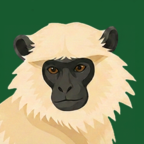

Nestled high in the Eastern Himalayas, the Kingdom of Bhutan protects some of the most untouched wilderness areas on the planet. For travelers fascinated by natural landscapes, exploring the Best National Parks for Wildlife Watching in Bhutan offers an incredible opportunity to encounter elusive mammals, rare high-altitude birds, and thriving subtropical forests. Over half of the country is declared as protected national parks, wildlife sanctuaries, and biological corridors, allowing animals to move freely across vast mountain ranges. From the dense bamboo thickets inhabited by the elusive Red Panda to the warm southern foothills where the iconic Golden Langur swings through the canopy, the biodiversity here is simply extraordinary. Planning your wildlife expedition with Langur Eco Travels ensures that you travel alongside experienced local guides who know every forest track, mountain pass, and river basin, turning every morning drive into a rewarding outdoor experience.
Why Bhutan is a Paradise for Nature and Wildlife Enthusiasts
Bhutan stands out globally for its unique environmental policies and deep cultural commitment to nature conservation.
Unmatched Environmental Conservation Policies
Bhutan is famously the world’s first carbon-negative country. Its national constitution mandates that a minimum of sixty percent of the total land area must remain forested for all future generations. Today, forest coverage sits above seventy percent, creating unbroken natural habitats that sustain rare Himalayan fauna.
Exceptional Habitat Diversity Across Altitudes
Within a short distance, the elevation in Bhutan rises from under two hundred meters in the southern plains to over seven thousand meters along the northern snow-capped peaks. This massive variation in topography supports an astounding range of ecosystems, including lowland subtropical rainforests, temperate broadleaf forests, alpine meadows, and glacial valleys.
Safe Haven for Endangered Species
Because habitat destruction is strictly controlled, Bhutan serves as a vital sanctuary for globally threatened species. Creatures that have faced severe habitat loss elsewhere in Asia, such as the Royal Bengal Tiger, Snow Leopard, Golden Langur, and White-bellied Heron, continue to flourish in the wild corridors of the kingdom.
Top National Parks for Wildlife Watching in Bhutan
Each protected area in Bhutan offers a distinct landscape, climate, and wildlife profile. Here is a comprehensive look at the finest national parks to visit on your adventure.
1. Jigme Singye Wangchuck National Park
Spanning across central Bhutan, Jigme Singye Wangchuck National Park covers over seventeen hundred square kilometers. It acts as a ecological bridge connecting the northern alpine reserves with the southern subtropical sanctuaries.
Key Wildlife Highlights
- Golden Langur: The golden-furred primate is one of the park’s primary flagship species, frequently spotted in the lower mixed broadleaf canopy.
- Royal Bengal Tiger: Camera traps and field surveys reveal a healthy tiger population moving through both lowland and mid-altitude zones.
- Himalayan Black Bear: Often seen feeding on wild berries and acorns during late summer and autumn months.
- Red Panda: Inhabits high-altitude bamboo thickets and fir forests.
Landscape and Forest Types
The park encompasses diverse vegetation zones ranging from warm broadleaf woodlands to cool temperate coniferous forests. Deep river gorges and cascading mountain streams cut through the terrain, providing ideal drinking grounds for resident mammals.
Birdwatching Opportunities
Home to hundreds of bird species, birdwatchers can search for the Great Hornbill, Rufous-necked Hornbill, Ward’s Trogon, and rare laughingthrushes along quiet forest roads.
2. Royal Manas National Park
Known as the crown jewel of Bhutan’s conservation network, Royal Manas National Park is the oldest protected area in the kingdom. Located in the south along the border with India, it guards vital lowland tropical forests.
Prime Mammal Sightings
- Asian Elephant: Herds move freely through the grassland clearings and riverbanks.
- One-Horned Rhinoceros: Occasionally observed along border habitats near water bodies.
- Clouded Leopard and Panther: Elusive predators that hunt within dense jungle cover.
- Gaur and Wild Water Buffalo: Massive herbivores that graze in open forest clearings.
River Safaris and Nature Walks
Exploring Royal Manas offers unique opportunities for gentle boat rides along the Manas River. Waterways provide clear views of wildlife drinking along the shore, alongside river dolphins and freshwater turtles.
3. Jigme Dorji National Park
As the second-largest national park in Bhutan, Jigme Dorji National Park spans across northwestern districts, stretching from temperate broadleaf woodlands right up to glacial peaks.
High-Altitude Species
- Snow Leopard: Patrols rugged granite ridges above the treeline.
- Bhurhel (Blue Sheep): Common on steep alpine slopes near high mountain villages.
- Takin: Bhutan’s national animal, which migrates to lush alpine pastures during summer months.
- Musk Deer: Hidden within quiet sub-alpine birch and rhododendron scrub.
Unique Overlap of Apex Predators
Jigme Dorji is famous among researchers because it is one of the few places on Earth where the territories of the Royal Bengal Tiger and the Snow Leopard overlap due to the extreme elevation changes within single valleys.
4. Phrumsengla National Park (Thrumshingla)
Located in central-eastern Bhutan, Phrumsengla National Park is renowned for its old-growth fir forests, vibrant spring rhododendron blooms, and rich birdlife.
Wildlife and Avian Treasures
- Red Panda: The park’s pristine bamboo understory provides a prime habitat for red pandas.
- Satyr Tragopan: One of the most sought-after pheasants in the Himalayas, frequently seen along quiet road edges at dawn.
- Beautiful Nuthatch: A rare avian species that favors mature, moss-draped broadleaf trees.
Scenic Mountain Drives
The famous lateral highway crosses straight through Phrumsengla over high mountain passes, giving travelers breathtaking views of deep forested valleys and snow-covered peaks.
5. Sakteng Wildlife Sanctuary
Situated in the remote easternmost corner of Bhutan, Sakteng Wildlife Sanctuary was established specifically to preserve eastern Himalayan ecosystems and local semi-nomadic cultures.
Biodiversity and Unique Ecosystems
- Barking Deer and Serow: Frequently encountered along mountain trails.
- Red Panda and Himalayan Black Bear: Thriving populations due to low human foot traffic.
- Rare Endemic Flora: Known for harboring rare species of rhododendrons, orchids, and medicinal herbs.
Comparative Overview of Top Bhutan National Parks
| National Park | Location | Primary Elevation | Top Wildlife Species | Best Season to Visit |
| Jigme Singye Wangchuck | Central Bhutan | 600m – 4,900m | Golden Langur, Tiger, Red Panda | October to April |
| Royal Manas | Southern Border | 150m – 2,600m | Asian Elephant, Rhinoceros, Gaur | November to March |
| Jigme Dorji | Northwestern Bhutan | 1,400m – 7,000m+ | Takin, Blue Sheep, Snow Leopard | March to May, Oct to Nov |
| Phrumsengla | Central-Eastern Bhutan | 700m – 4,400m | Red Panda, Satyr Tragopan, Nuthatch | March to May, Oct to Nov |
| Sakteng Sanctuary | Easternmost Bhutan | 1,700m – 4,100m | Serow, Barking Deer, Alpine Birds | Spring and Autumn |
Avian Diversity in Bhutan Parks
Bhutan is a global hotspot for birding enthusiasts, boasting over seven hundred recorded species within its compact borders. To explore full species lists and habitat notes, visit the Birds of Bhutan Guide.
Iconic Himalayan Bird Species
- White-bellied Heron: One of the rarest waterbirds in the world, nesting along fast-flowing southern river systems.
- Black-necked Crane: Migratory birds that winter in high-altitude valleys such as Phobjikha from late October to February.
- Himalayan Monal: Brilliant multi-colored pheasants found near rocky high-altitude slopes.
- Ward’s Trogon: Highly prized by photography groups for its striking pinkish-red plumage and forest canopy habits.
Recommended Tour Itineraries for Wildlife Lovers
Choosing a well-planned itinerary allows you to combine game viewing, mountain drives, and cultural stops comfortably.
Luxury Birding and Cultural Exploration
For travelers seeking exceptional comfort alongside daily nature excursions, consider booking the 13-Day Luxury Bird Watching and Cultural Holiday in Bhutan. This route balances visits to iconic dzongs and monasteries with curated wildlife walks through pristine broadleaf forests.
Complete Himalayan Wildlife Expedition
If your goal is an exhaustive journey across multiple climate zones and national parks, the 18-Day Best Birding and Wildlife Trip in Bhutan covers western, central, and eastern sanctuaries for maximum species sightings.
Practical Tips for Wildlife Watching in Bhutan
To get the most out of your natural history tour, follow these basic field guidelines:
Essential Gear and Preparation
- Binoculars: Quality 8×42 or 10×42 binoculars are essential for spotting birds and mammals in thick foliage.
- Neutral Clothing: Wear muted greens, browns, and tans. Avoid bright colors like yellow, red, or white that startle wild animals.
- Layered Apparel: Mountain weather shifts rapidly. Dress in breathable layers with windproof and waterproof outer jackets.
- Sturdy Footwear: Broken-in hiking boots with good ankle support make trail walks safer and more comfortable.
Responsible Field Etiquette
- Keep a safe and respectful distance from all wild animals. Never crowd or chase wildlife.
- Avoid making loud sounds or sudden movements along forest paths.
- Stick strictly to designated trails and carry all trash back to your vehicle.
Frequently Asked Questions
What is the best time of year for wildlife watching in Bhutan?
Spring (March to May) and Autumn (September to November) offer clear weather, pleasant temperatures, and active animal movements. Spring is best for blooming flora and breeding birds, while autumn brings clear skies and wintering species like the Black-necked Crane.
Are national park visits safe for solo travelers and families?
Yes, traveling through Bhutan’s protected reserves with registered local guides is extremely safe. All park excursions are organized with experienced drivers and naturalists.
Do I need special permits to enter Bhutan’s national parks?
Yes, park entry permits and route clearances are required for foreign visitors. When booking your tour through a licensed operator like Langur Eco Travels, all permits, guides, and transit arrangements are fully managed on your behalf.
Can I spot Royal Bengal Tigers in Bhutan?
While wild tigers inhabit several national parks in Bhutan, they are naturally shy and elusive. Sightings are rare, but fresh tracks, scrape marks, and territorial signs are routinely observed on wilderness routes.
Exploring Bhutan’s protected forests offers a rare glimpse into how nature thrives when given total freedom and protection. From deep subtropical river basins to high alpine ridges, every park holds its own incredible treasures. To start tailoring your customized wildlife expedition or ask questions about upcoming departures, reach out directly through the Langur Eco Travels Contact Form and let local specialists build your dream Himalayan journey.