
Tucked away in the eastern reaches of the Himalayas, Bhutan remains one of the world’s most pristine environments for natural history enthusiasts. Embarking on a dedicated Bhutan Mammal Watching Tour offers nature lovers an extraordinary opportunity to observe rare and elusive wildlife within completely wild, undisturbed ecosystems. From the high-altitude habitats of the elusive Snow Leopard and Takin to the lush subtropical forests where the Golden Langur and Asian Elephant roam, Bhutan harbors an incredible variety of wild species. With over seventy percent of its total landmass preserved under forest cover and connected by protected biological corridors, the kingdom serves as a safe haven for some of Asia’s most threatened animals. When you travel alongside local wildlife experts from Langur Eco Travels
, your journey becomes an enriching exploration into deep valleys, ancient old-growth forests, and protected national sanctuaries.
Why Choose Bhutan for a Dedicated Wildlife Expedition
Bhutan is widely celebrated for its environmental stewardship and strict conservation policies that prioritize ecological harmony over unchecked commercial development.
World Leader in Environmental Preservation
Bhutan holds the proud distinction of being a carbon-negative nation. The kingdom’s constitution requires that a minimum of sixty percent of its land area be maintained under forest cover for all time. This strong legal protection ensures that animal habitats remain unbroken by major industrial projects, allowing wildlife to thrive across diverse mountain elevations.
Remarkable Elevation Changes and Diverse Habitats
The country features dramatic changes in altitude within surprisingly short distances. The terrain rises from low southern plains near sea level straight up to high Himalayan peaks exceeding seven thousand meters. This incredible elevation gradient creates distinct ecological zones, including lowland subtropical jungle, warm broadleaf woodland, temperate coniferous forest, and alpine meadow.
Safe Refuge for Globally Endangered Species
Because forest habitats are kept continuous, Bhutan supports stable populations of animals that face severe habitat loss in neighboring regions. Rare mammals such as the Red Panda, Clouded Leopard, Golden Langur, Himalayan Black Bear, and Royal Bengal Tiger continue to move freely through their historic ranges.
Key Wildlife Regions to Explore Across Bhutan
A successful mammal safari in Bhutan covers several distinct geographical zones, each offering unique mammal sightings and stunning natural scenery.
Western Bhutan: High Valleys and Mountain Sanctuaries
Western Bhutan combines majestic mountain scenery, historic fortress towns, and rich forest reserves.
Paro and Thimphu Mountain Forests
The forested hills surrounding Paro and Thimphu consist of blue pine, oak, and rhododendron stands. Early morning field excursions in these high valleys often yield sightings of the Barking Deer (Muntjac), Himalayan Serow, and the Goral grazing along quiet forest edges.
Jigme Dorji National Park
As one of the largest protected reserves in the country, Jigme Dorji National Park encompasses alpine meadows, glacial river basins, and dense sub-alpine woods. It is a prime habitat for high-altitude ungulates like the Bharal (Blue Sheep) and the Takin, Bhutan’s unique national animal.
Central Bhutan: Heart of Biodiversity and Prime Mammal Habitats
Central Bhutan features deep river valleys, historic towns, and extensive protected forests that host an impressive selection of wildlife species.
Jigme Singye Wangchuck National Park
Spanning central Bhutan, this park is critical for linking northern alpine habitats with southern subtropical zones. It provides prime territory for the Golden Langur, Red Panda, Himalayan Black Bear, and Royal Bengal Tiger.
Phobjikha Valley Ecosystem
Famous for its sweeping glacial wetlands, the Phobjikha Valley is not only an important wintering site for migratory birds but also a prime area to spot the Himalayan Black Bear, Wild Boar, and Fox species roaming through surrounding pine woods.
Southern and Eastern Bhutan: Subtropical Jungle Frontiers
The southern and eastern zones present lush rainforests, river networks, and remote mountain sanctuaries.
Royal Manas National Park
As Bhutan’s oldest national park, Royal Manas protects vital lowland tropical ecosystems bordering India. The park is home to large mammalian species such as the Asian Elephant, Gaur (Indian Bison), Wild Water Buffalo, and One-Horned Rhinoceros.
Phrumsengla National Park
Phrumsengla is celebrated for its ancient fir forests and dense bamboo thickets, which serve as essential habitat for the Red Panda and various small carnivores.
High-Priority Mammal Species to Spot in Bhutan
Field expeditions across Bhutan offer opportunities to observe both iconic megafauna and specialized high-altitude species.
Rare Primates of the Himalayan Canopy
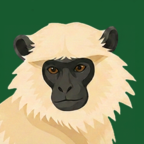
- Golden Langur: Instantly recognizable by its rich golden-orange fur, this rare primate is endemic to a limited geographical zone in central and southern Bhutan.
- Capped Langur: Found in dense broadleaf forests, recognizable by its dark face mask and pale coat.
- Assam Macaque: Frequently spotted resting along cliff faces and forested roadside stretches.
Elusive Apex Predators
- Royal Bengal Tiger: Bhutan is unique for supporting tigers from warm southern plains up to high elevations above four thousand meters.
- Snow Leopard: Patrols remote alpine cliffs and high mountain passes in northern national parks.
- Clouded Leopard: A shy, tree-dwelling feline that hunts within dense subtropical and broadleaf canopy layers.
Unique Mountain Herbivores and Ungulates
- Takin: Featuring a distinct appearance resembling a cross between a goat and an antelope, the Takin grazes in high alpine pastures during summer before moving down into river valleys during winter.
- Bharal (Blue Sheep): Expert climbers found on steep granite slopes in northern mountain ranges.
- Himalayan Serow: A stocky goat-antelope species inhabiting steep, forested ravines.
Comparative Guide to Top Wildlife Regions in Bhutan
| Region | Primary Elevation | Key Forest Types | Featured Mammal Species | Recommended Visiting Months |
| Western Valleys | 2,200m – 4,000m | Blue Pine, Fir, Alpine | Takin, Blue Sheep, Serow, Barking Deer | March to May, Oct to Nov |
| Central Sanctuaries | 1,200m – 3,500m | Broadleaf, Bamboo, Oak | Golden Langur, Red Panda, Himalayan Black Bear | October to April |
| Southern Lowlands | 150m – 1,500m | Subtropical Rainforest | Asian Elephant, Gaur, Clouded Leopard, Tiger | November to March |
| Eastern Wilderness | 700m – 3,800m | Mixed Broadleaf, Fir | Red Panda, Capped Langur, Serow | March to May, Oct to Nov |
Combining Mammal Safaris with Avian and Cultural Explorations
Wildlife travel in Bhutan naturally blends animal tracking with rich birdwatching and cultural discovery.
Rich Avian Life Across Reserves
While searching for forest mammals, travelers can observe an astonishing variety of bird life. Bhutan hosts over seven hundred bird species across its valleys. To read complete regional birding reports and habitat breakdowns, explore the detailed Birds of Bhutan Guide
.
Comprehensive Travel Itineraries
For visitors seeking an enjoyable blend of culture, comfortable heritage stays, and daily nature walks, reserving the 13-Day Luxury Bird Watching and Cultural Holiday in Bhutan
offers a balanced route.
If your primary focus is spending maximum time in national reserves and tracking elusive wildlife species across multiple districts, consider the comprehensive 18-Day Best Birding and Wildlife Trip in Bhutan
.
Essential Field Tips for Wildlife Watching in Bhutan
Following basic field guidelines helps maximize your animal sightings while keeping your journey safe and enjoyable.
Recommended Travel Gear
- Binoculars and Optics: High-quality 8×42 or 10×42 binoculars are essential for searching dense tree canopies and distant mountain ridges.
- Field Apparel: Dress in neutral shades like forest green, khaki, and brown. Avoid bright clothing that can startle wild animals.
- Layered Clothing: Mountain weather can shift quickly. Wear warm thermal layers topped with a waterproof outer shell.
- Footwear: Sturdy, waterproof hiking boots with solid traction are ideal for walking forest trails and mountain passes.
Responsible Wildlife Etiquette
- Always maintain a quiet, respectful distance from wild animals.
- Never use loud sounds or flash photography when observing wildlife.
- Follow all guide instructions and stay on designated park trails to protect fragile ecosystems.
Frequently Asked Questions
What is the best time of year for a mammal watching tour in Bhutan?
Spring (March to May) and Autumn (September to November) provide clear weather, comfortable temperatures, and active animal movements. Southern jungle trips are best taken during the cool winter months from November to February.
How accessible are Bhutan national parks for international visitors?
All national parks are open to international travelers through organized tours. Registered operators handle all official entry permits, route clearances, and local transport arrangements.
Is it possible to see Red Pandas during a tour in Bhutan?
Yes, Red Pandas inhabit temperate bamboo and fir forests in central and eastern national parks. While shy, sightings occur along quiet forest roads and protected trails.
Do I need to be in extreme physical shape for a wildlife tour?
Most mammal watching excursions involve steady walks along quiet forest roads, gentle trails, and scenic viewpoints suitable for general fitness levels. Customized routes can easily accommodate your physical preferences.
Exploring Bhutan’s untouched wilderness offers an unforgettable adventure into one of the planet’s final true natural sanctuaries. From observing Golden Langurs in temperate tree canopies to spotting rare high-altitude wildlife against snow-covered Himalayan backdrops, every day presents new discoveries. To plan your customized itinerary or learn more about upcoming group departures, get in touch with local naturalists through the official Langur Eco Travels Contact Form
and start building your Himalayan expedition.