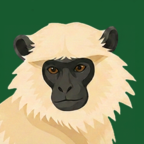

Embarking on a Bhutan nature & wildlife tour offers an extraordinary opportunity to explore one of the world’s most pristine and ecologically diverse Himalayan kingdoms. Tucked away between towering snow-capped mountain peaks and lush subtropical valleys, Bhutan stands as a global bio-diversity hotspot where ancient forests cover over seventy percent of the total land area. From the elusive snow leopard roaming high alpine ridges to the rare golden langur residing in central broadleaf canopies, the nation protects an incredible array of wild species within its expansive national parks and biological corridors. Whether you are a dedicated wildlife photographer, an avid birdwatcher, or a nature enthusiast seeking quiet mountain trails, venturing into these untouched habitats reveals the true, unspoiled beauty of the Eastern Himalayas. To ensure your wilderness journey is both deeply rewarding and environmentally responsible, traveling with a recognized local specialist like Langur Eco Travels guarantees expert field guiding, sustainable eco-practices, and seamless logistics across every valley.
The Ecological Wonder of the Himalayan Kingdom
Bhutan is world-famous for its visionary approach to environmental conservation. By constitutional mandate, the kingdom maintains at least sixty percent of its total land under forest cover for all generations to come.
Carbon Negative Environment and Pristine Habitats
Unlike most global destinations, Bhutan absorbs more carbon dioxide than it produces, creating crystal-clear mountain air and untainted natural ecosystems. This commitment allows ancient ecosystems to thrive without the disruptive pressures of industrial expansion.
Protected Wildlife Corridors and National Parks
Over half of the country is designated as protected national parks, nature reserves, and wildlife sanctuaries. Intact biological corridors connect these protected zones, allowing wild mammals to migrate freely across different elevation zones throughout the seasons.
Iconic Wildlife Species to Encounter on a Wilderness Tour
The vast range of elevations across Bhutan creates diverse microclimates, harboring some of the rarest animal species on the planet.
Rare Mammals of the Valleys and Alpine Meadows
- The Golden Langur: Endemic to the warm broadleaf forests of central and southern Bhutan, this striking golden-furred primate is a highlight for animal lovers.
- Takin (The National Animal): A unique and fascinating ungulate that inhabits high-altitude forests and alpine pastures.
- Snow Leopard: The phantom of the Himalayas, dwelling in remote, rugged alpine zones near northern mountain borders.
- Bengal Tiger: Bhutan is one of the few places on Earth where royal Bengal tigers have been documented roaming at high mountain altitudes alongside alpine wildlife.
- Red Panda: This gentle, tree-dwelling mammal inhabits cool temperate bamboo forests across central valleys.
A Sanctuary for Avian Biodiversity
With over seven hundred recorded bird species, the country is recognized globally as a premier birding paradise. The diverse avian population includes rare species such as the critically endangered White-bellied Heron, the majestic Himalayan Monal, the colorful Satyr Tragopan, Rufous-necked Hornbill, and the winter-visiting Black-necked Cranes that gather in Phobjikha Valley.
To explore detailed regional species lists and birding locations, browse through our comprehensive Birds of Bhutan guide.
Top National Parks and Wilderness Destinations
Exploring the wilderness of Bhutan takes travelers through varied terrain, from low-altitude subtropical sanctuaries to icy high-mountain trails.
Jigme Singye Wangchuck National Park
Situated in central Bhutan, this park covers rich broadleaf and coniferous forests. It serves as a vital sanctuary for golden langurs, musk deer, cloud leopards, and hundreds of forest bird species.
Royal Manas National Park
As the oldest protected area in the kingdom, Royal Manas borders India in the south and boasts subtropical jungle ecosystems. It is home to Asian elephants, rhinos, gaurs, hornbills, and diverse river life.
Jigme Dorji National Park
Spanning the northwestern region, Jigme Dorji is the second-largest national park in Bhutan. It protects stunning alpine meadows, glacial lakes, high mountain passes, blue sheep, and snow leopards.
Phobjikha Glacial Valley
This wide, horseshoe-shaped glacial valley is a protected conservation area where local communities live in harmony with nature. Every winter, black-necked cranes migrate here from the Tibetan plateau, creating a magnificent wildlife spectacle.
Choosing the Right Wildlife and Nature Itinerary
Selecting a tour duration depends on your personal interest in specific wildlife species, bird photography, or high-altitude trekking.
Short Western Valley Nature Journeys
For travelers looking for a balanced combination of scenic nature walks, pine valley drives, and cultural landmarks, short one-week itineraries offer a wonderful introduction to the western districts.
Deep Nature and Wildlife Photography Expeditions
For dedicated nature photographers and wildlife enthusiasts, spending two to three weeks exploring central and eastern forest tracks yields the highest number of rare mammal and bird sightings.
To experience a meticulously planned luxury expedition, consider the 13 Days Luxury Bird Watching and Cultural Holiday in Bhutan or join our comprehensive 18 Days Best Birding and Wildlife Trip in the Himalayan Kingdom of Bhutan.
Best Seasons for Nature and Wildlife Expeditions
Weather patterns and elevation variations dictate the optimal times for observing different plants and animal species.
Spring Season (March to May)
Spring is one of the finest seasons for nature travel. Wild rhododendrons, orchids, and wildflowers bloom in full color across the forests, while resident bird species display vibrant courtship plumage.
Autumn Season (September to November)
Autumn brings clear, crisp skies, excellent mountain visibility, and pleasant daytime walking conditions. It is an ideal season for landscape photography, alpine trekking, and tracking mammals across forest trails.
Winter Season (December to February)
Winter is the best time to witness migratory Black-necked Cranes in Phobjikha Valley and spot wintering waterbirds along river gravel beds in lower valleys.
Sustainable Travel and Responsible Eco-Tourism
Preserving fragile mountain habitats requires strict adherence to sustainable eco-tourism guidelines.
- Leave No Trace Practices: Always carry reusable water containers and keep all forest trails completely free of litter.
- Respect Wildlife Distance: Use telephoto lenses for wildlife photography and avoid making loud noises that disturb wild animals or nesting birds.
- Support Local Eco-Lodges: Staying at community-owned guest houses and eco-lodges helps direct tourism benefits directly to local village stewards.
Why Travel with Langur Eco Travels
Planning a successful nature expedition in remote Himalayan valleys requires experienced local field guides, dedicated transport, and deep knowledge of animal movements.
Langur Eco Travels is a leading Bhutan tour and travel company with over fifteen years of dedicated experience in organizing expert-led nature tours, birding trips, and sustainable cultural journeys. Our native guides possess unmatched expertise in tracking wildlife, identifying rare bird species, and ensuring your expedition is safe, comfortable, and ecologically sound.
To start planning your custom nature itinerary or get detailed trip advice, contact our field experts through our official Contact Form.
Frequently Asked Questions
What makes Bhutan a unique destination for nature and wildlife tours?
Bhutan maintains over seventy percent forest cover and carbon-negative environmental policies. Protected national parks and biological corridors allow rare mammals and over 700 bird species to thrive in intact, natural habitats.
Can I see Bengal tigers and snow leopards on a regular nature tour?
While Bengal tigers and snow leopards inhabit Bhutanese mountains, they are extremely elusive and reside in deep wilderness zones. Regular tours frequently spot golden langurs, takins, red pandas, musk deer, and diverse birdlife.
What is the best season to spot Black-necked Cranes in Bhutan?
Black-necked Cranes migrate from the Tibetan plateau to the Phobjikha Valley and Bumdeling regions between late October and mid-February every year.
Do I need a specialized guide for wildlife and bird watching in Bhutan?
Yes, hiring a certified local eco-guide who understands animal behavior, bird calls, and terrain conditions significantly increases your chances of spotting rare wildlife safely.
How do I book a specialized nature tour with Langur Eco Travels?
You can explore custom nature and wildlife itineraries by visiting Langur Eco Travels or submitting your travel preferences directly through our Contact Form.