
Menu

Bird Photography

Ultimate Bhutan Photography Tour: Best Places and Tips

photography and wildlife.
Photography.

Photography Tour in Bhutan: A Guide to Birds, Culture and Landscapes

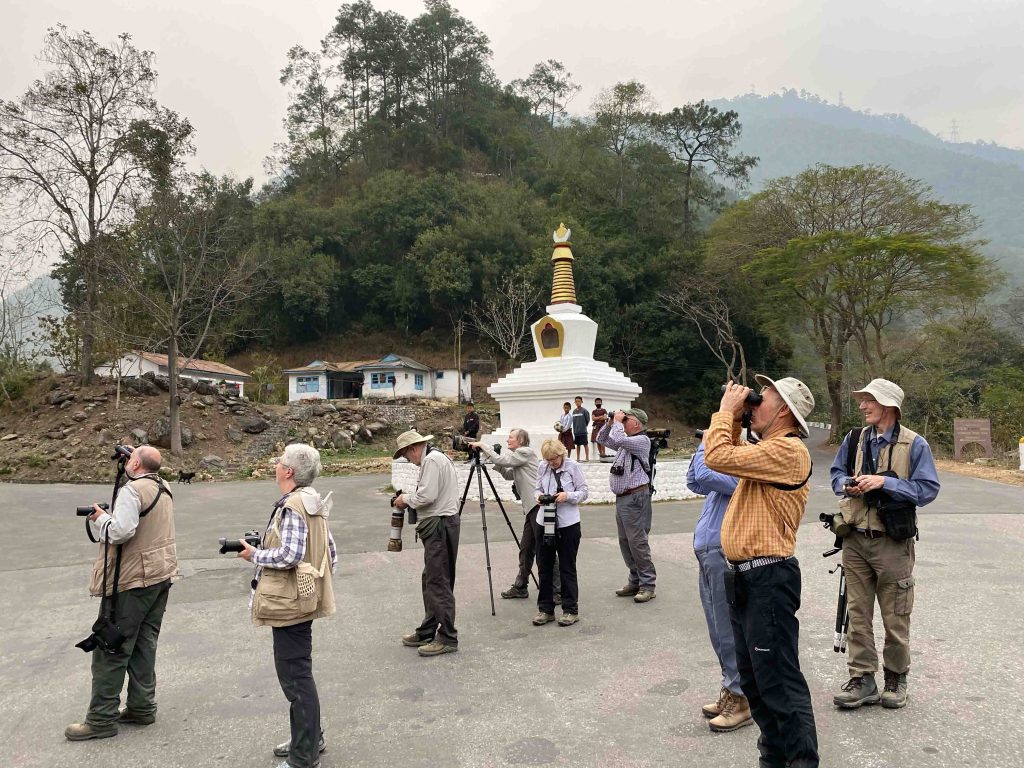
A Photography Tour in Bhutan offers much more than beautiful scenery.

Additionally, this Himalayan kingdom offers rare birds, pristine forests, dramatic passes, colorful festivals, traditional architecture and rooted Buddhist culture.

Photography Tour in Bhutan offers photographers opportunities to capture Himalayan wildlife, ancient monasteries, village life, and sweeping mountain landscapes across Bhutan’s diverse valleys and cultural terrain. From sunrise glow on snowcapped peaks to quiet monasteries perched on cliff sides, it provides a range of light and subjects for skillful photography.

Moreover, traveling with an experienced local guide helps you reach promising locations at the right time while respecting Bhutan’s people, wildlife, and sacred places, and it offers insights into cultural contexts that enrich your photographs for your portfolio and storytelling.

Whether you are a beginner, an experienced travel photographer or a dedicated bird photographer, a Bhutan photography tour can be customized around your interests and preferred pace.
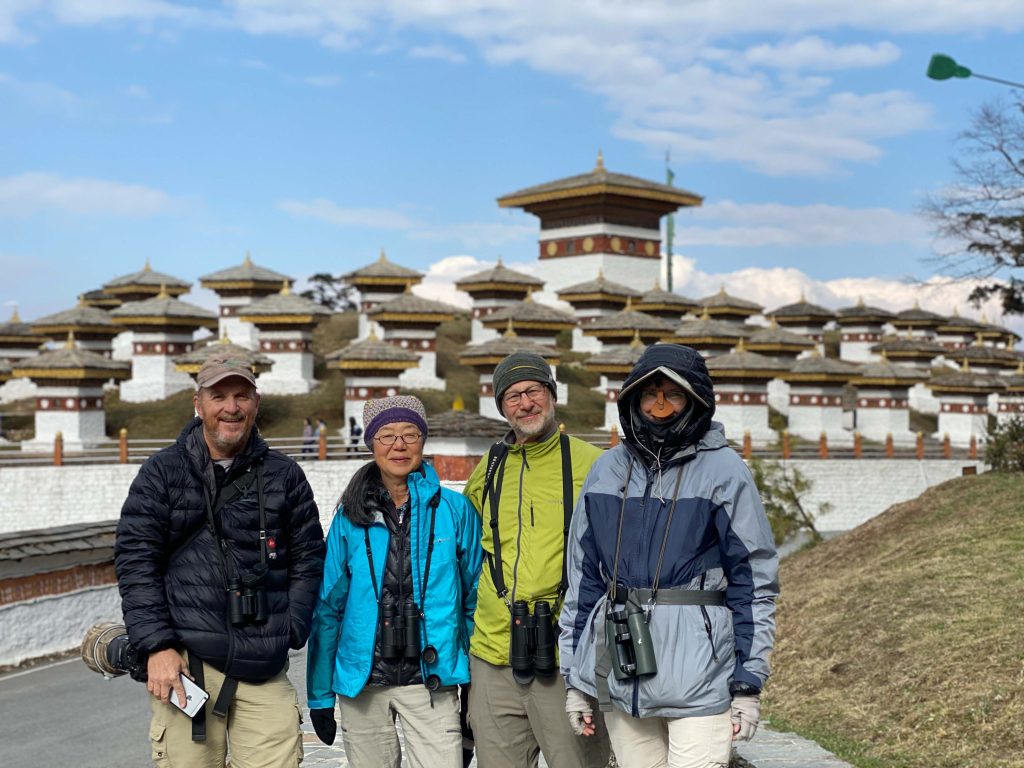
Bhutan tour.
Bhutan tour.

Why choose a photography tour in Bhutan?

Bhutan’s remarkable variety of habitats is one of its greatest attractions. A single journey can pass through subtropical forests, broad river valleys, temperate woodlands and high alpine environments.

Some of the most rewarding subjects include:

  • Rare Himalayan birds and other wildlife
  • Snow-covered mountains and high passes
  • Traditional dzongs, monasteries and temples
  • colorful prayer flags and religious monuments
  • Rural villages, farms and traditional houses
  • Masked dances at Bhutanese festivals
  • Local crafts, archery and everyday life
  • Forests, waterfalls and fast-flowing rivers

Bhutan is particularly suitable for photographers who enjoy traveling slowly. Instead of rushing between attractions, a private journey allows time to observe the light, wait for wildlife and understand each location.

Bird photography in Bhutan
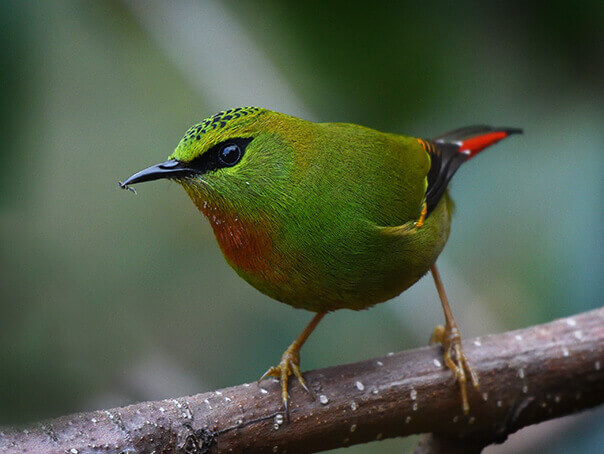
Best bird photography tour in Bhutan with Langur Eco travels

Bhutan is one of the finest bird-watching destinations in the Eastern Himalayas. Its extensive forests and wide range of elevations support more than 700 recorded bird species.

Depending on the season and itinerary, photographers may search for Himalayan Monal, Blood Pheasant, Satyr Tragopan, Rufus-necked horn-bill, Beautiful Nuthatch, Ward’s Trogon and many other Himalayan specialties.

Successful bird photography requires patience, responsible positioning and detailed knowledge of local habitats. Experienced Bhutanese birding guides can identify calls, understand seasonal movements and locate productive areas while minimizing disturbance to birds.

Photographers interested primarily in wildlife can explore our bird photography tour in Bhutan.

Best places for photography in Bhutan

Paro Valley

Paro is often a visitor’s first introduction to Bhutan. The valley contains traditional farmhouses, cultivated fields, forested mountains and important historical monuments.

Rinpung Dzong, the Paro River and surrounding viewpoints offer excellent architectural and landscape photography. The hike to Tiger’s Nest Monastery also provides one of Bhutan’s most recognizable mountain scenes.

Early morning and late afternoon generally offer softer light across the valley.

Thimphu

Bhutan’s capital combines traditional culture with a growing modern city. Photographic subjects include monasteries, markets, crafts, traditional dress, archery and panoramic viewpoints.

Thimphu is a good location for cultural and documentary photography. However, photographers should always ask permission before taking close portraits of local people.

Punakha

Punakha is warmer and more subtropical than Paro and Thimphu. Its terraced fields, rivers and traditional villages produce very different photographic conditions.

Punakha Dzong is one of the country’s most impressive architectural subjects. It stands at the confluence of the Pho Chhu and Mo Chhu rivers, surrounded by forested hills.

The valley is especially attractive when jacaranda trees flower around the dzong and when the surrounding agricultural fields are green.

Phobjikha Valley

Phobjikha is a broad glacial valley surrounded by forested mountains. Its open landscapes, traditional villages and peaceful atmosphere make it an outstanding location for environmental photography.

During winter, the valley is also associated with the Black-necked Crane. Wildlife photographers must maintain a respectful distance and follow guidance around crane habitats.

Bumthang

Bumthang is often described as Bhutan’s spiritual heartland. Its valleys contain ancient temples, monasteries, villages and agricultural landscapes.

The region is ideal for photographers interested in religious heritage, rural life and environmental portraits. traveling beyond the main towns also reveals quieter landscapes with fewer visitors.

Eastern Bhutan

Eastern Bhutan is especially valuable for dedicated bird and wildlife photographers. Its mountain roads pass through exceptionally diverse forests at different elevations.

Areas around Yongkola are renowned for Himalayan bird-life. Spending several days in one region gives photographers better opportunities than moving to a different location every day.

When is the best time for photography in Bhutan?

The best season depends on what you want to photograph.

Spring: March to May

Spring is excellent for active bird-life, flowering plants, green landscapes and several important festivals. Forest photography can be particularly rewarding during this period.

Mountain weather can change quickly, so photographers should prepare for both clear conditions and occasional rain.

Autumn: September to November

Autumn often offers clear skies, colorful festivals and attractive mountain views. Harvested fields and village activity can also provide strong cultural subjects.

This is a popular season, so accommodation and flights should be arranged early.

Winter can provide clear skies, quieter tourist sites and distinctive migratory birds. Mornings at higher elevations may be very cold, but lower valleys can remain comfortable during the day.

Responsible photography in Bhutan

Respect is essential when photographing Bhutan’s people, wildlife and religious heritage.

Always ask before taking close portraits. Photography may be restricted inside temples, monasteries and other sacred spaces, so follow signs and the instructions of your guide.

Wildlife photographers should avoid approaching nests, using methods that cause distress or repeatedly disturbing an animal for a photograph. Maintaining natural behavior is more important than obtaining a particular image.

A responsible approach creates better experiences for photographers, local communities and wildlife.

Frequently asked questions

Do I need to be a professional photographer?

No. A photography tour can be designed for beginners, enthusiasts or experienced photographers. You only need an interest in Bhutan and a desire to improve your images.

Can I combine bird and cultural photography?

Yes. Bhutan is well suited to combined journeys. Forest birding sessions can be balanced with monasteries, festivals, villages and landscape locations.

Can I arrange a private tour?

Yes. A private itinerary offers the greatest flexibility for photography stops, preferred subjects and daily timing.

Is photography permitted inside monasteries?

Rules differ between locations, and photography may be prohibited inside sacred buildings. Always check with your guide and ask permission before using your camera.

How long should a photography tour be?

A shorter journey can cover western Bhutan, while a longer itinerary provides time to visit central or eastern regions. Longer tours are generally better for dedicated bird and wildlife photography.

Start planning your photography tour in Bhutan

Bhutan rewards photographers who are willing to travel patiently and observe carefully. From rare Himalayan birds and ancient dzongs to remote valleys and traditional village life, every region offers a different visual story.

Langur Eco Travels has organized specialist journeys throughout Bhutan since 2006. Our local team can customize a photography tour in Bhutan around your interests, preferred dates and travel style.

Contact Langur Eco Travels to begin planning your Bhutan photography journey.
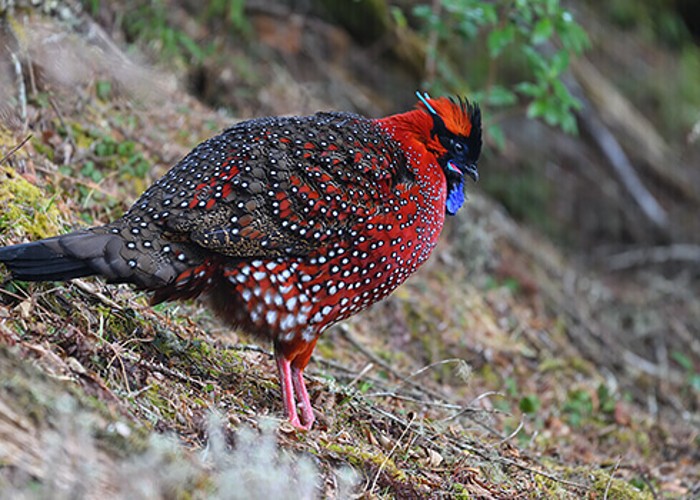
Bird Photography in Bhutan with its Rare Avifauna.

Introduction: Bird Photography in Bhutan

Bhutan is more than a travel spot; it is a perfect, unspoiled place for serious wildlife photography. As a professional, I love the beautiful light and the strong conservation ethics here. If you want the best Bird Photography in Bhutan, you will find an unmatched, ethical place to shoot with perfect, natural backgrounds.

This guide is your easy plan for success. I share the best tips, gear choices, where to go, and ethical rules you need to take great Himalayan bird photos.


Part I: Why Bhutan is the Best Place to Photograph Birds

The Big Advantages for Taking Bird Photos

Bhutan is a world-class spot for nature photographers:

  • Biodiversity Hotspot: Bhutan has over 700 bird species, from tropical types to rare mountain birds like the Himalayan Monal. This means you can find many kinds of subjects for close-up shots or wide landscape pictures.
  • Pristine Habitats Mean Clean Photos: Strict conservation keeps most forests untouched. This is key for photographers. It means you are more likely to find subjects with clean, natural backgrounds, which makes for professional-looking photos.
  • Cultural Calm for Better Shots: The deep Buddhist respect for life creates a quiet, peaceful environment. This calm is vital for patient observation, giving you the time needed to capture action shots and intimate bird behaviors.
Bird Photography in Bhutan

Part II: Photo Planning & The Bhutan Calendar

Optimizing Your Shooting Time for the Best Light

Choosing the right season is important. It affects light quality, bird colors, and where you can go for Bird Photography in Bhutan.

SeasonFocus & Target BirdsLight & Technical Tips
Spring (Peak Color)Best color and activity. High-mountain birds like the Blood Pheasant.Bright blooms make great natural frames. Perfect for capturing fast action.
MonsoonFocus on lush detail and soft light after rain. Forest birds.Soft, cinematic light is good for low-ISO shots. Mandatory: bring rain gear for your camera.
Autumn (Clear Skies)Focus on Flight Shots. Birds moving over high passes (raptors).Clear, crisp air is excellent for sharp, wide-view photos of birds in their habitat.
WinterFocus on Low-Angle Photos. River birds (Ibisbill, Wallcreeper) and Black-necked Cranes.Low sun angle is great for simple photos and dramatic silhouettes at sunrise/sunset.

Part III: Gear and Advanced Field Techniques

This section covers the specific needs for successful Bhutan bird photography.

🎒 Essential Gear for the High-Altitude Photographer

  • Camera Bodies: Use a fast, weather-sealed camera. It needs high frame rates and a deep buffer to get sharp photos in changing mountain light.
  • Lenses: A fast prime lens (400–600mm) is best for close-ups and detail. A 100–400mm zoom works well for groups and habitat shots.
  • Supports: A carbon tripod with a gimbal head is a must for smooth, sharp telephoto shots. Use a beanbag for shooting from your vehicle.
  • Power & Protection: Bring extra batteries (cold drains them fast) and moisture control (silica gel, dry bags) to protect your gear.

🎯 Advanced Techniques for High-Impact Photography

  • Mastering Forest Focus: Use back-button focus and expanded AF points. Shoot in short bursts to reduce blur in dim light.
  • Light Control (Exposure): Always focus your metering on bright spots (like white feathers) to prevent losing detail. This keeps your textures clean.
  • The Mobile Hide: Your vehicle is often the best hide. Shooting from the window causes less disturbance, leading to closer, more natural photos.
  • Weather Windows: After it rains, birds become very active. Use this time to capture clean, high-detail portraits with wet, fresh foliage.

Part IV: Composition, Logistics, and Ethics

Composing Your Photos for Story

  • Establish the Scene: Use wide shots with prayer flags or mist to show where the bird lives.
  • Intimate Portraits: Zoom in on behavior and detail. Make sure the bird’s eye is bright and sharp.

Ethical Fieldcraft: Responsible Bird Photography

Your photos gain value when you follow Ethical Wildlife Photography rules.

  • Bird Welfare First: Never use food, scare the bird, or play calls too much. If the bird acts stressed, stop shooting and move away immediately.
  • Protect Nests: Never photograph near nests unless allowed and watched by a guide.

Essential Logistics for the Photo Traveler

  • Guides Are Mandatory: You cannot travel alone. Hire a licensed Bhutanese tour operator who knows the best places for photography.
  • Stay Longer: Because the roads are slow, plan for longer stays in fewer places. This gives you more time in the best morning and evening light.

Final Thoughts: Bird Photography in Bhutan

Bird Photography in Bhutan is an amazing experience. It asks for skill and patience. When you slow down and respect the forest, you get technically perfect photos that capture the unforgettable magic of this remote Himalayan kingdom.

The Art of Bird Photography: Tips and Techniques

Birds, with their vibrant plumage and graceful flight, have long been a source of fascination and inspiration for photographers. Capturing the beauty of these winged wonders requires not only skill and patience but also a deep understanding of their behavior and habitats. Join us on a journey into the world of bird photography with Langur Eco Travels, where we’ll explore avian photography techniques and share tips to help you master the art of capturing avian beauty.

Bird Photography: A Creative and Rewarding Pursuit

The Allure of Bird Photography

Bird photography is more than just taking pictures of birds; it’s a way to connect with the natural world and appreciate the diversity of avian species. Whether you’re a beginner or an experienced photographer, the thrill of capturing a bird in its natural habitat is unmatched.

Langur Eco Travels: Your Window to Nature

Langur Eco Travels is your trusted companion for nature-based adventures and photography experiences. With a deep commitment to responsible and sustainable travel, we offer unique opportunities to explore the beauty of the natural world, including the fascinating realm of bird photography.

Avian Photography Techniques: Unlocking the Secrets

Successful bird photography requires a combination of technical expertise, field knowledge, and artistic vision. Let’s dive into some essential avian photography techniques to help you get started:

1. The Right Equipment

Invest in a good quality camera and lens suitable for bird photography. A telephoto lens with a long focal length is essential for capturing birds from a distance without disturbing them.

2. Study Your Subjects

Understanding the behavior, habitat, and migration patterns of birds is crucial. Study field guides and spend time observing the birds you intend to photograph.

3. Patience and Persistence

Birds are often elusive and move quickly. Be patient and prepared to spend time waiting for the perfect shot. Persistence pays off in the world of bird photography.

4. Master Your Camera Settings

Learn to adjust your camera settings for different lighting conditions. Understand concepts like aperture, shutter speed, and ISO to control exposure and capture sharp images.

5. Composition Matters

Apply the principles of composition to your bird photography. Pay attention to framing, rule of thirds, and the background to create visually appealing images.

6. Camouflage and Hide

Use natural camouflage or photography blinds to get closer to birds without startling them. Being unobtrusive is essential for capturing natural behavior.

7. Timing Is Key

The golden hours of dawn and dusk provide soft, warm light that enhances bird photography. Plan your outings around these times for the best results.

8. Practice Ethical Photography

Respect the welfare of birds and their habitats. Avoid disturbing nests or sensitive areas, and never bait or harm birds for the sake of a photograph.

Bird Photography Tips for Aspiring Photographers

Whether you’re a novice or a seasoned photographer, these bird photography tips can elevate your skills:

1. Start in Your Backyard

Practice bird photography in your own backyard or local park to build your skills and confidence before embarking on more extensive adventures.

2. Join Birdwatching Groups

Connect with local birdwatching groups or societies to gain insights from experienced bird enthusiasts and photographers.

3. Use Continuous Shooting Mode

Birds are often in motion. Use your camera’s continuous shooting mode to capture a series of images in rapid succession, increasing your chances of getting the perfect shot.

4. Study Avian Behavior

Understanding bird behavior helps you anticipate their movements and actions, allowing you to be better prepared to capture unique moments.

5. Edit Thoughtfully

Post-processing can enhance your bird photographs. Use editing software to adjust exposure, contrast, and sharpness, but avoid over-editing to maintain the authenticity of your images.

The Joy of Bird Photography with Langur Eco Travels

In conclusion, bird photography is a captivating and rewarding pursuit that allows you to immerse yourself in the beauty of the natural world. At Langur Eco Travels, we’re passionate about sharing our expertise and love for nature with fellow bird enthusiasts and photographers.

Unlock the secrets of avian photography with us and embark on a journey of discovery, patience, and creativity. Explore the world of bird photography through the lens of Langur Eco Travels, where every click captures the essence of avian beauty and the wonders of the natural world.


Incorporate these keywords naturally into your content to enhance its SEO value and relevance to the topic. Ensure that your content remains informative, engaging, and inspiring for your audience, encouraging them to explore the art of bird photography with Langur Eco Travels.